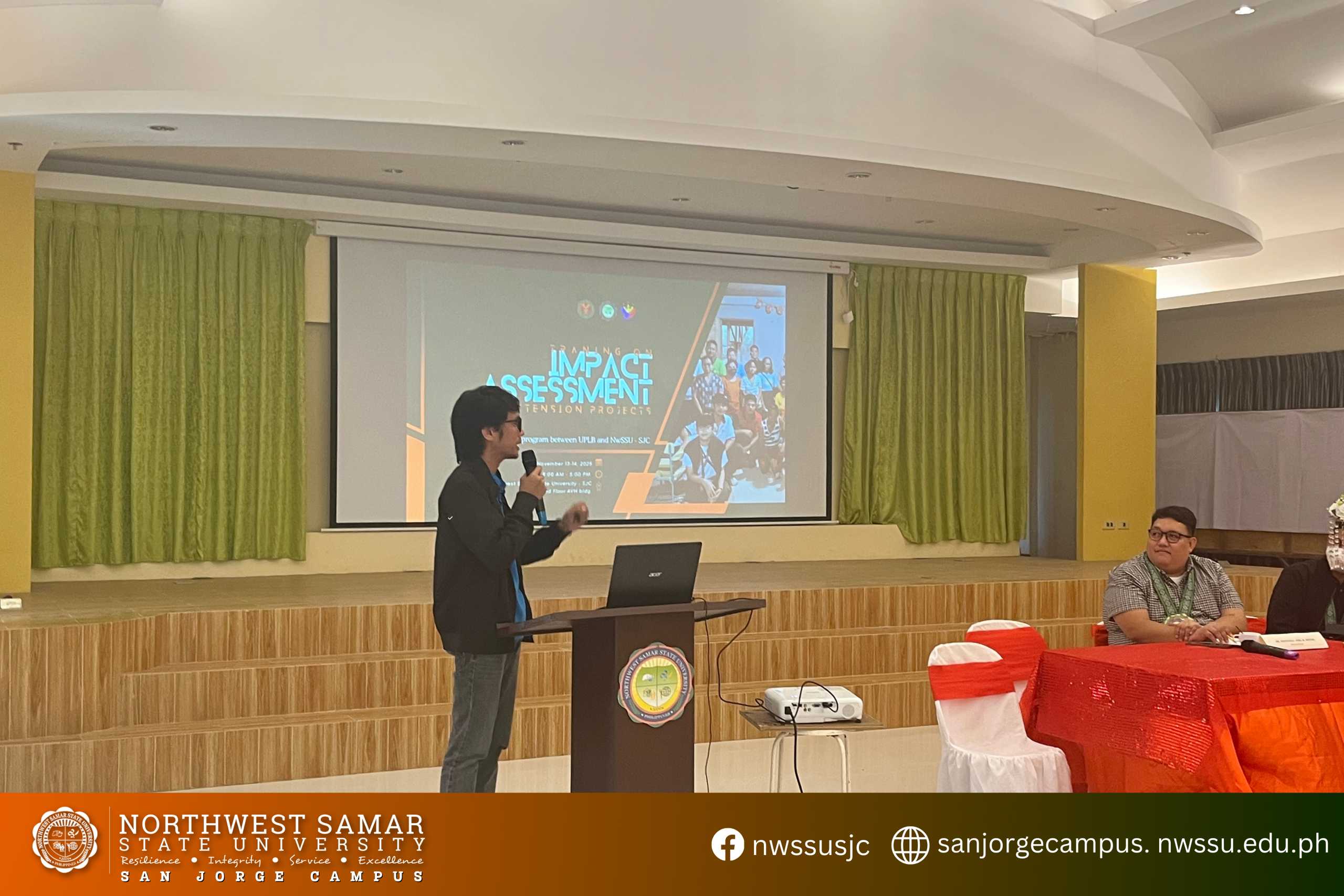
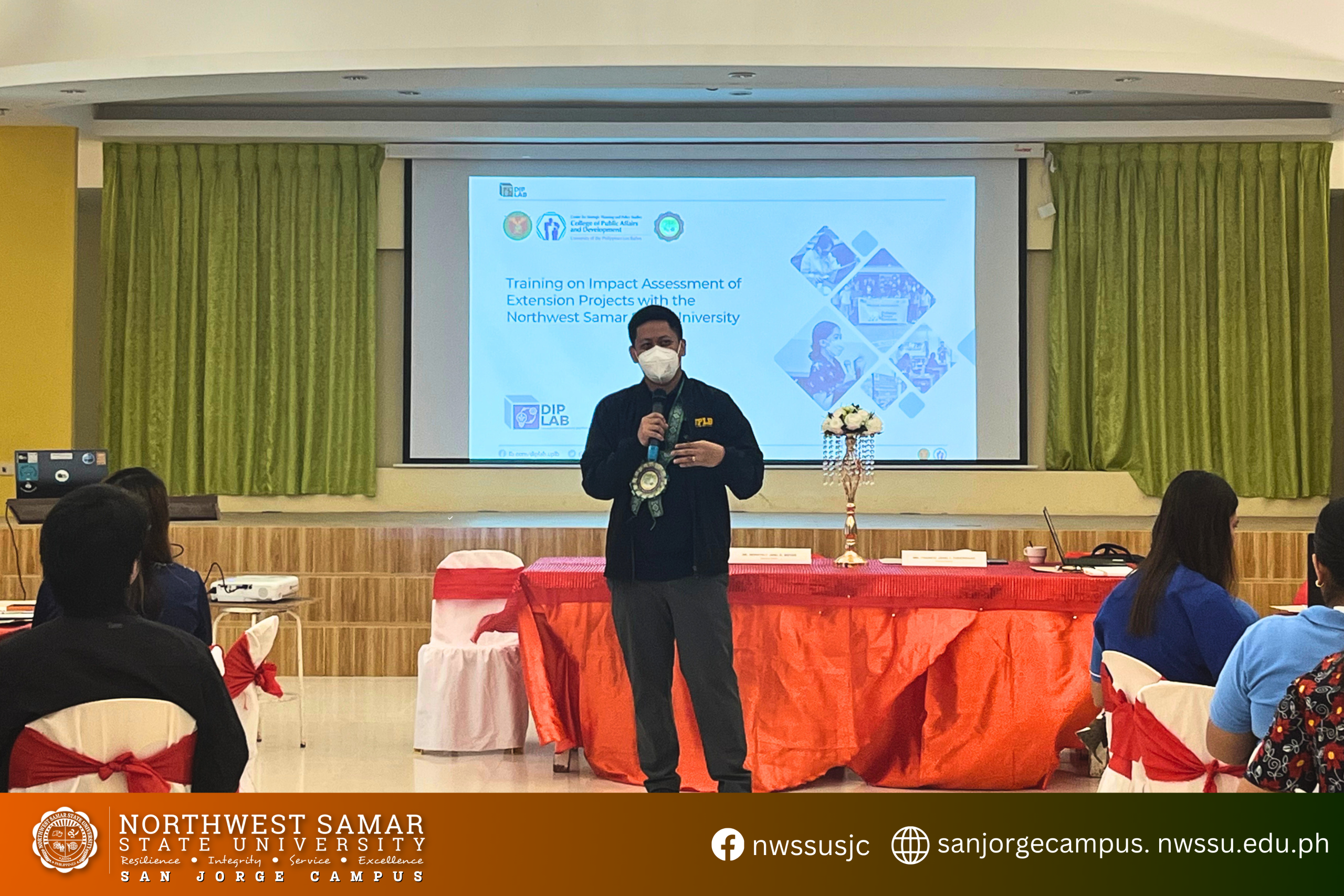
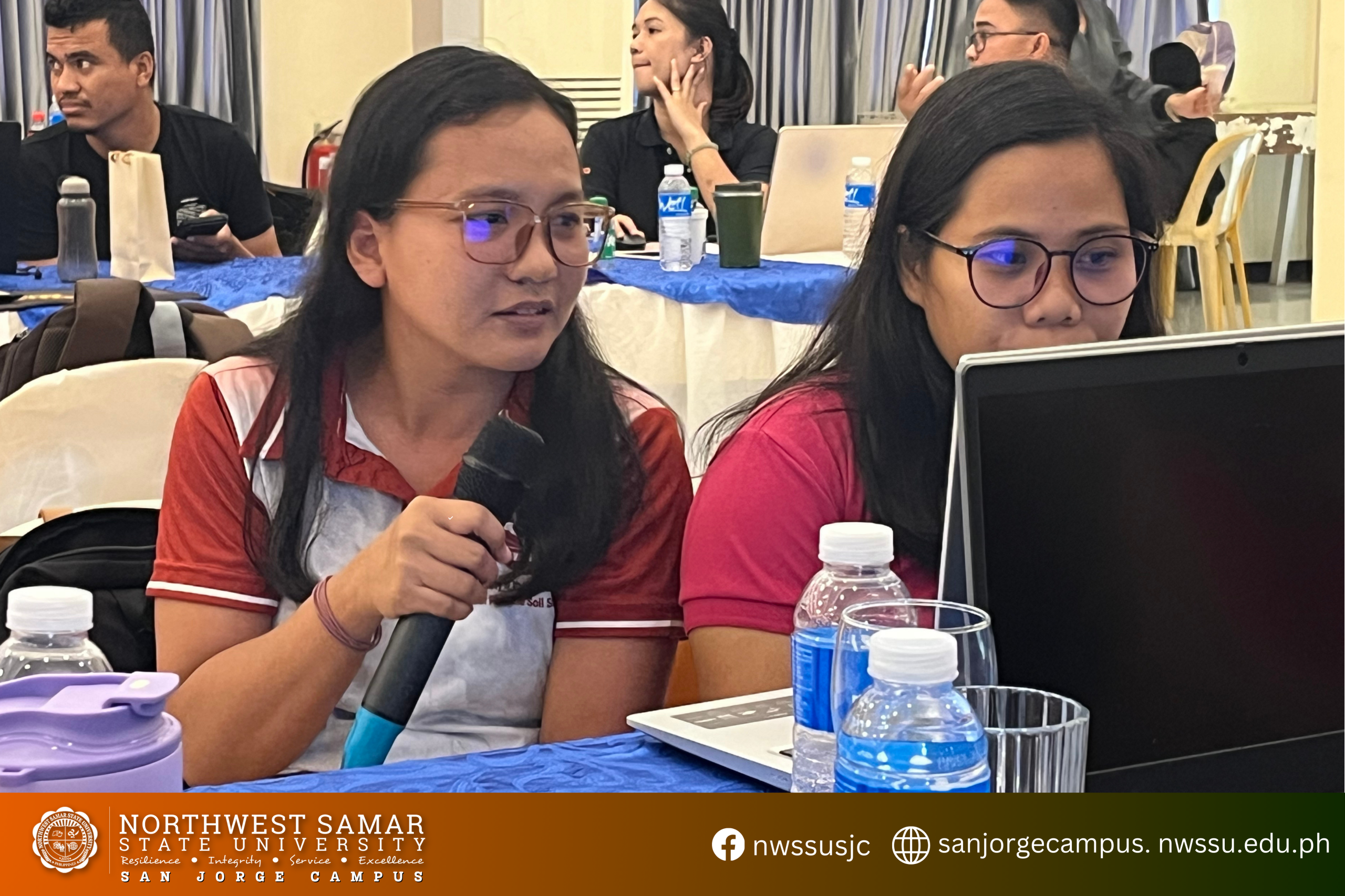
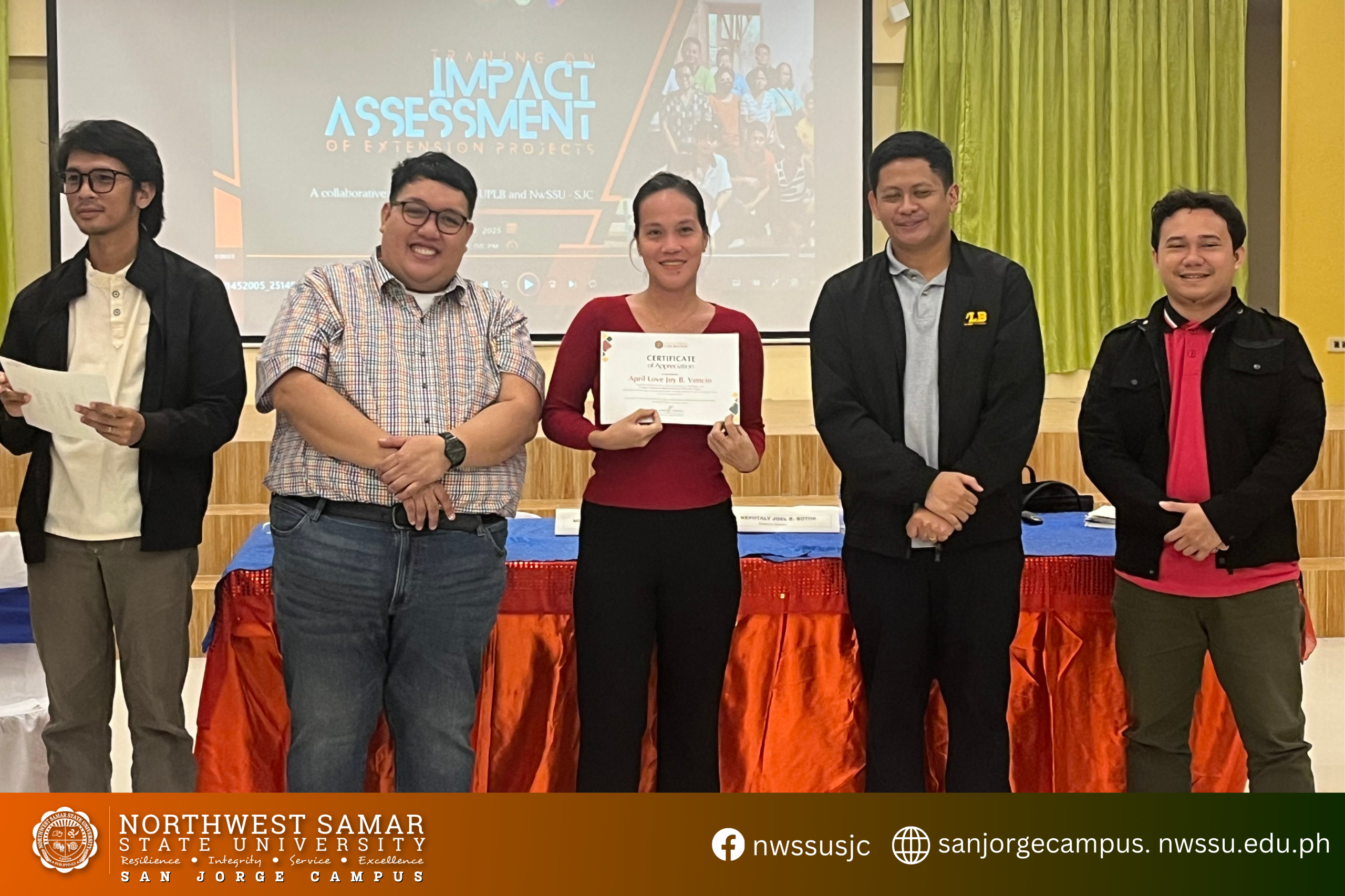
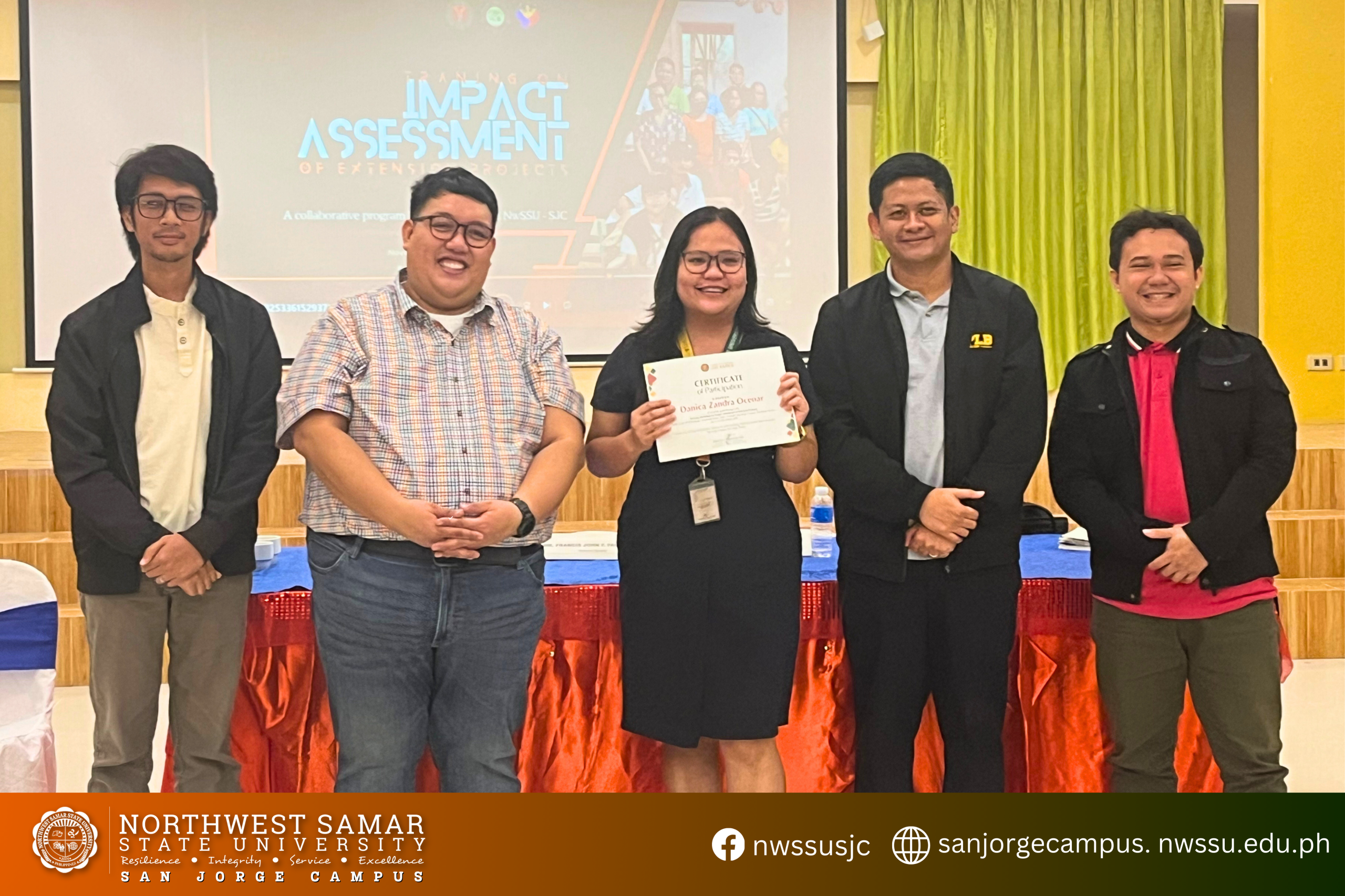
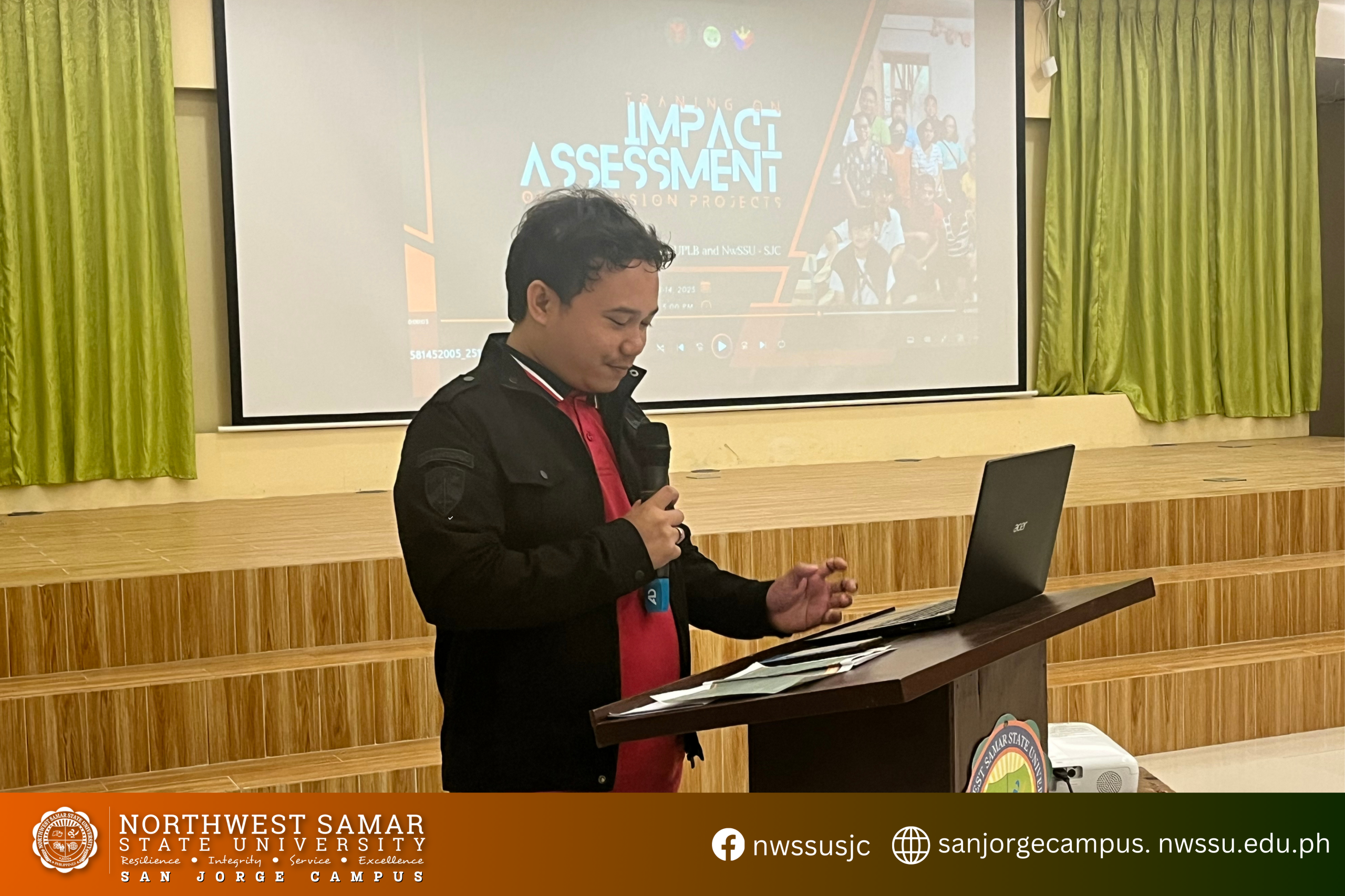
Northwest Samar State University–San Jorge Campus concluded the two-day Training on Impact Assessment of Extension Projects on November 13-14, 2025, at the Audio-Visual Hall, bringing together faculty members and extension implementers from various academic programs. The training workshop featured resource speakers from the University of the Philippines Los Baños (UPLB) and focused on strengthening the campus’s capacity to systematically evaluate, measure, and enhance the outcomes of its extension initiatives.
Day 1: Building Foundations for Impact Assessment
In his opening message, Dr. Reynaldo R. Aquino, Campus Administrator, emphasized the importance of aligning projects with the real needs of communities, urging participants to critically assess the relevance and impact of their interventions.
Delivering the message and overview, For. Eduardo Espejon Jr., Director for Research, Extension, and Innovation, highlighted the collective commitment of all programs toward community transformation. “…as we continue to engage in our communities, it becomes increasingly important to measure and understand the difference our projects make — not only in outputs but in outcomes and long-term impacts,” he stated. According to For. Espejon, the ultimate goal is to make NwSSU’s extension programs more responsive, evidence-based, and impactful.
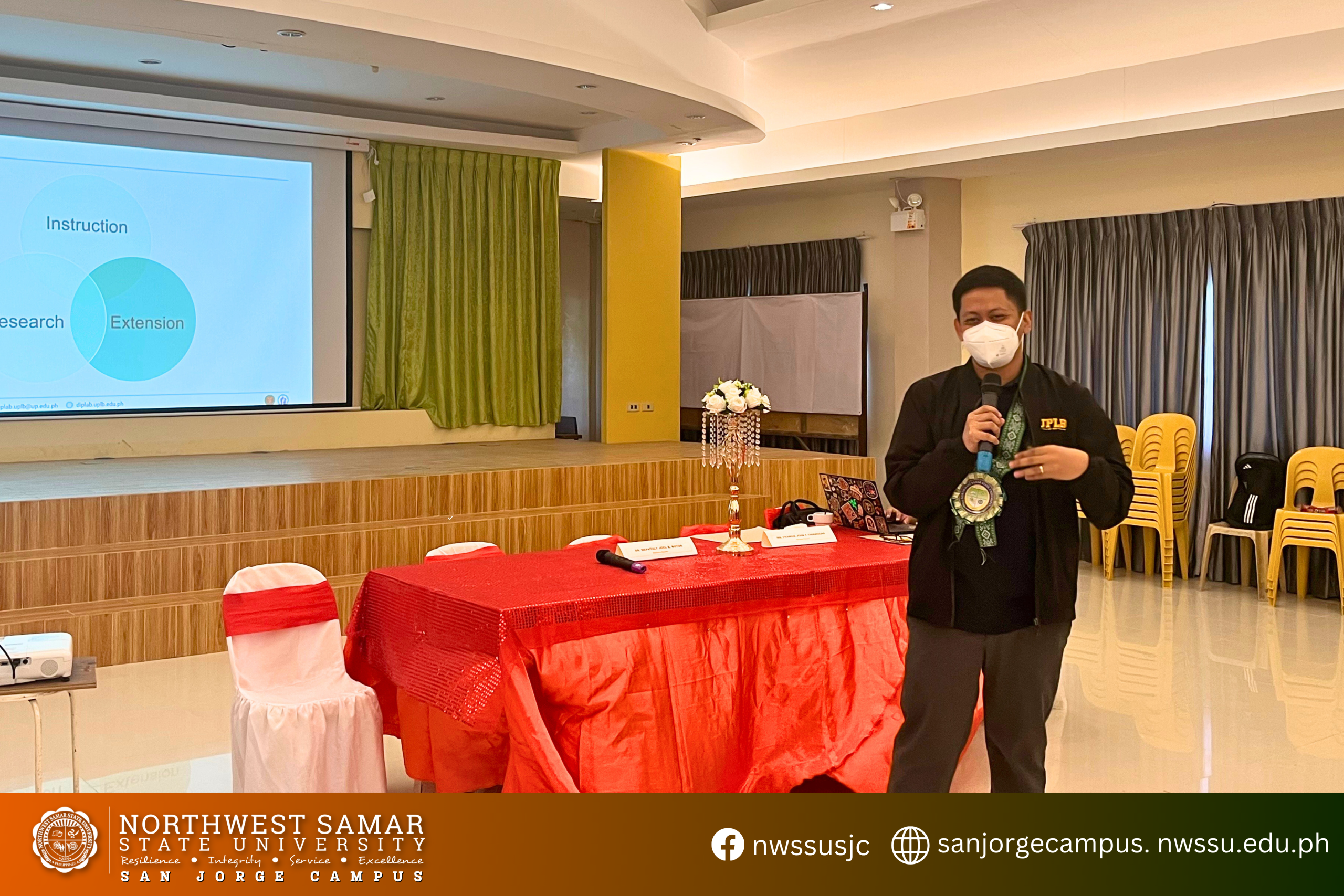
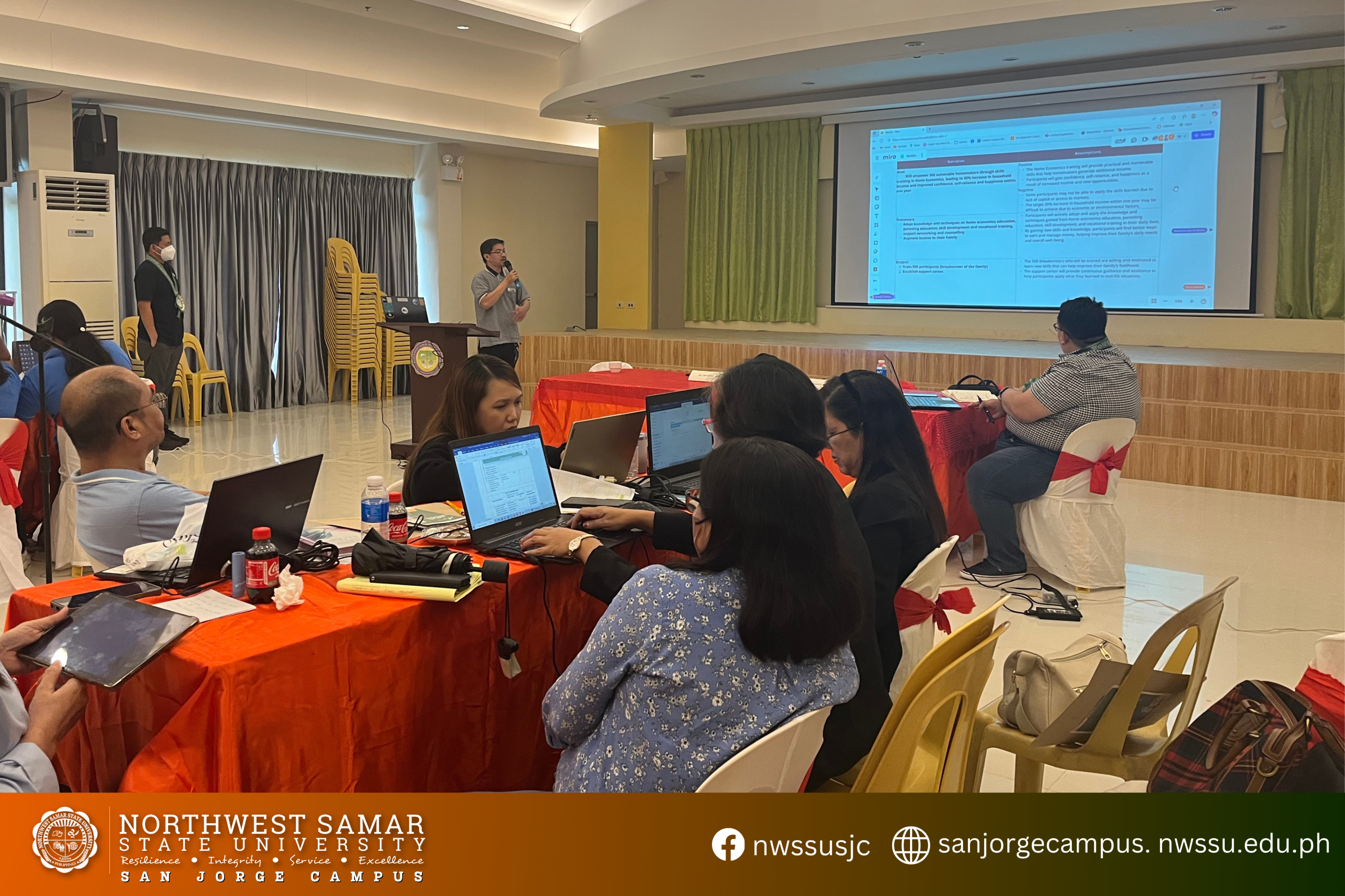
The first-day session was led by Mr. Francis John F. Faderagao, University Researcher I from the Center for Strategic Planning and Policy Studies, UP Los Baños, who discussed the foundation, theories, and principles of impact assessment. His presentation aimed to deepen participants’ understanding of frameworks, methodologies, and tools that enable objective and comprehensive evaluation of extension programs.
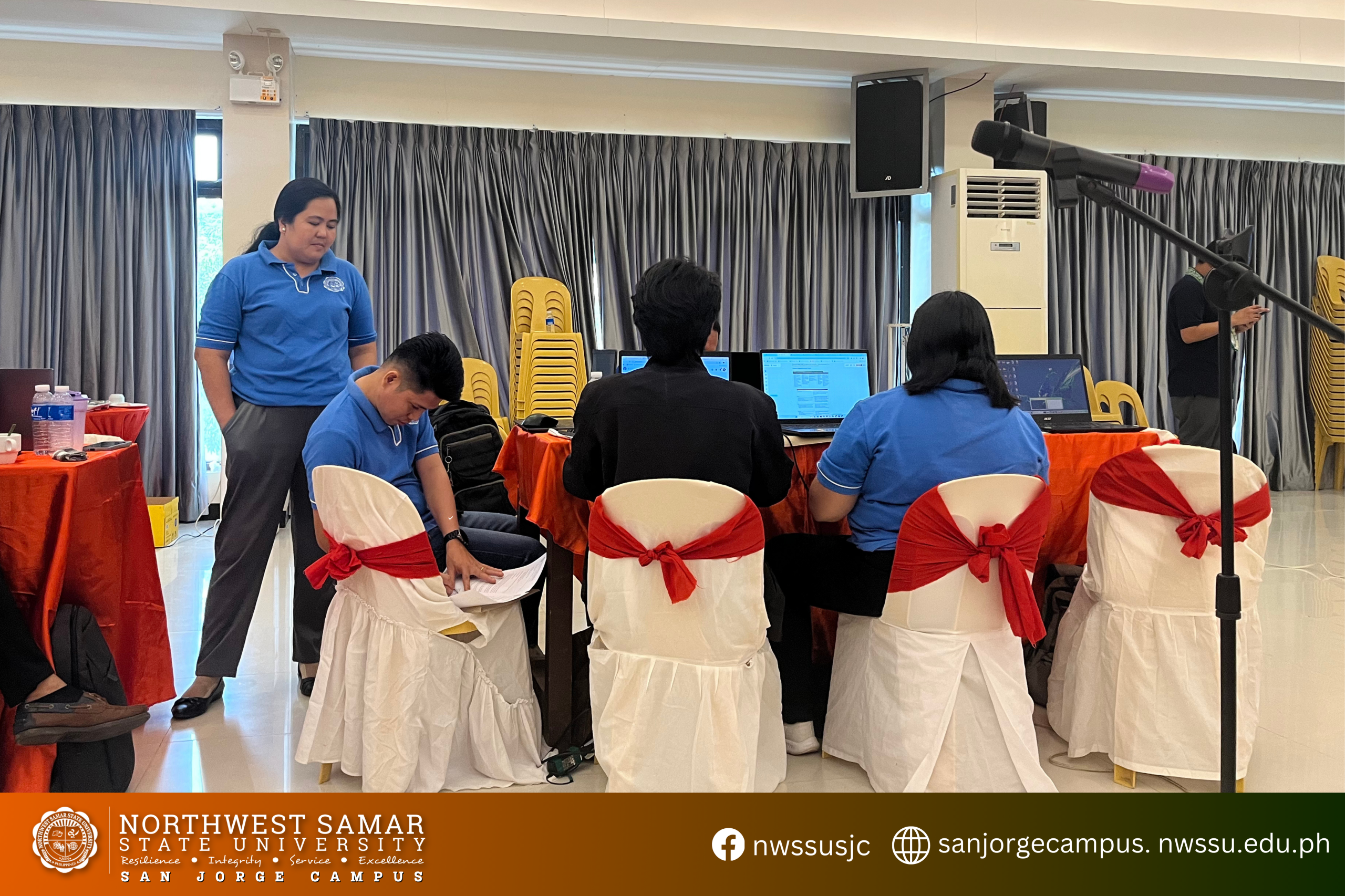
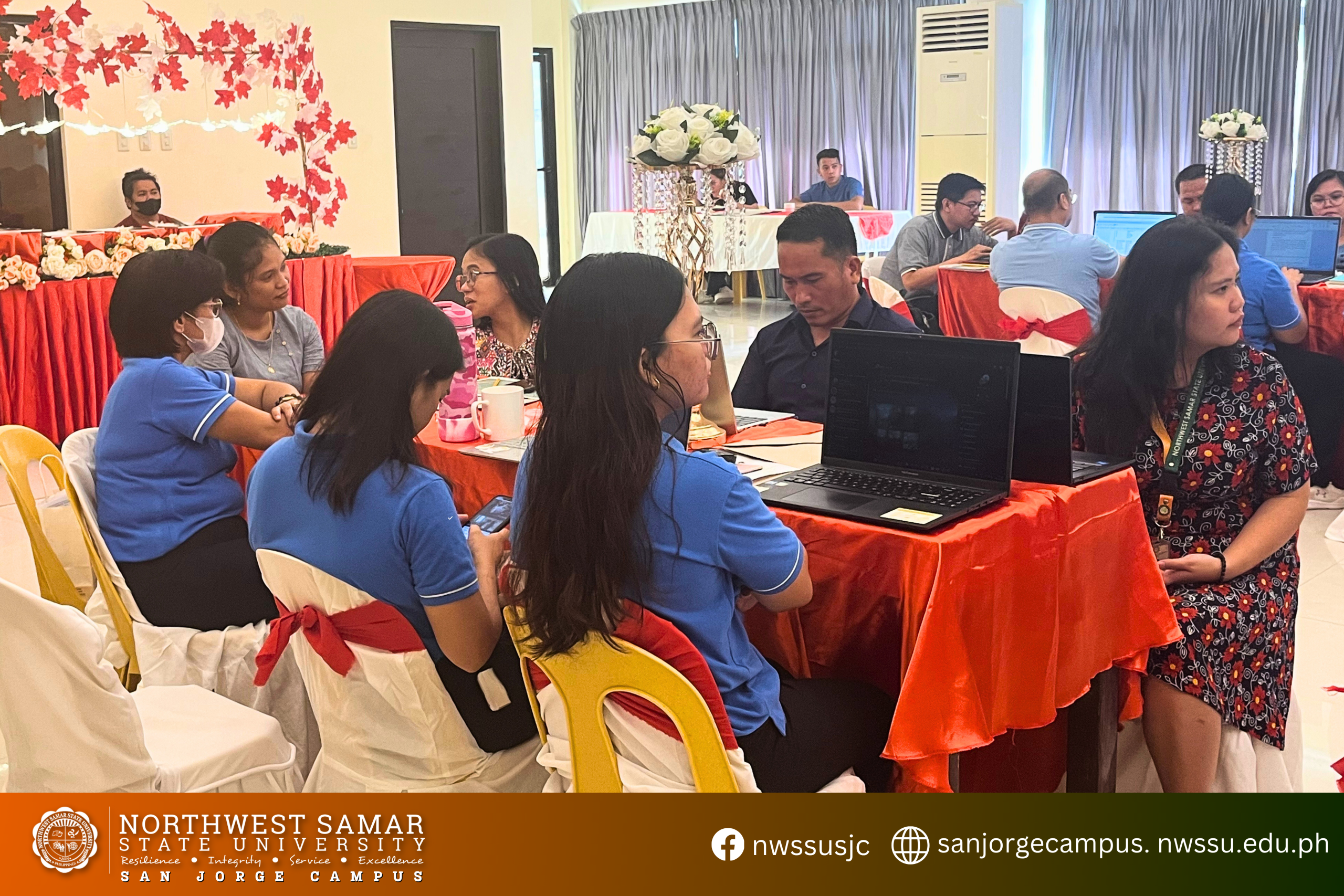
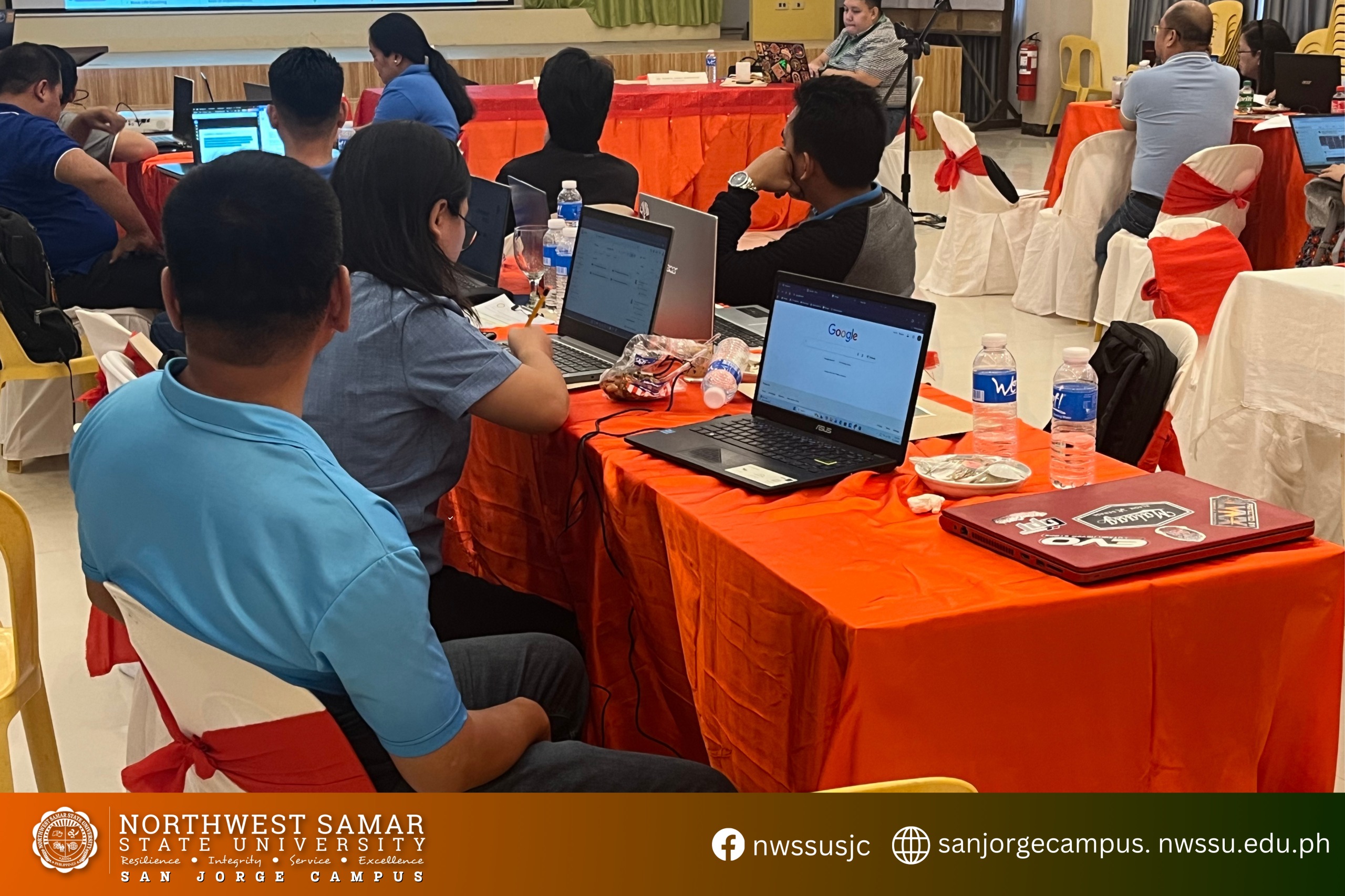
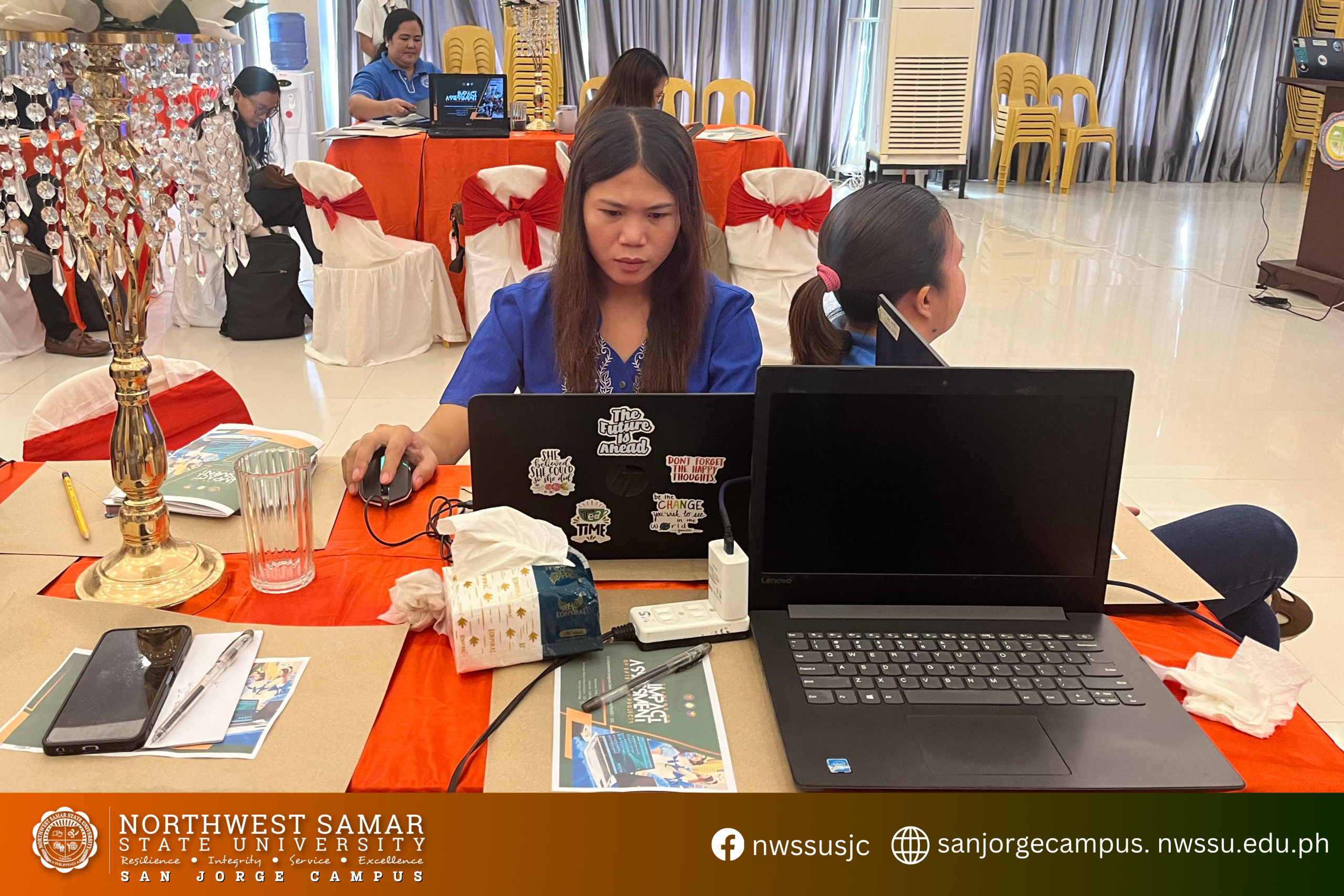
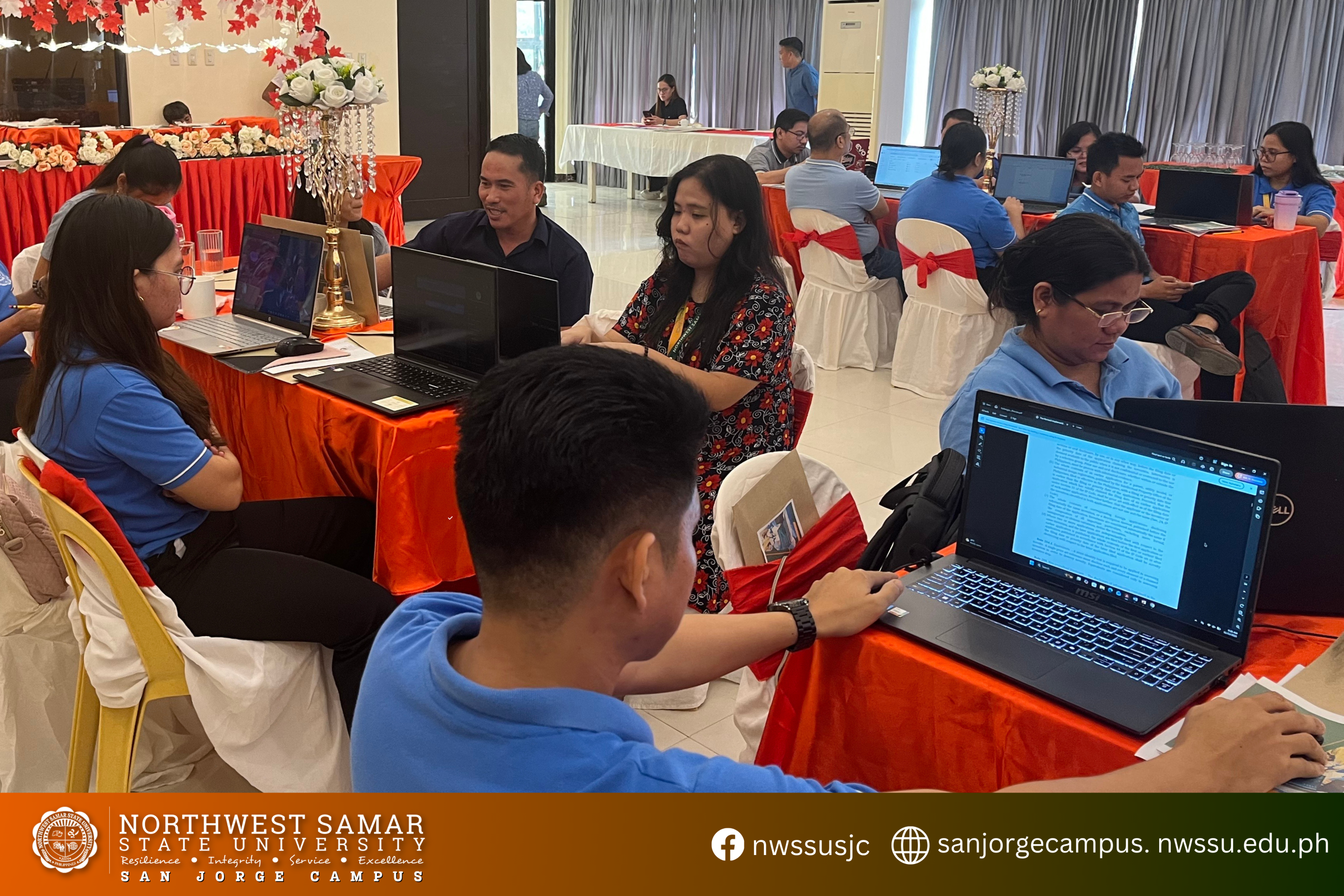
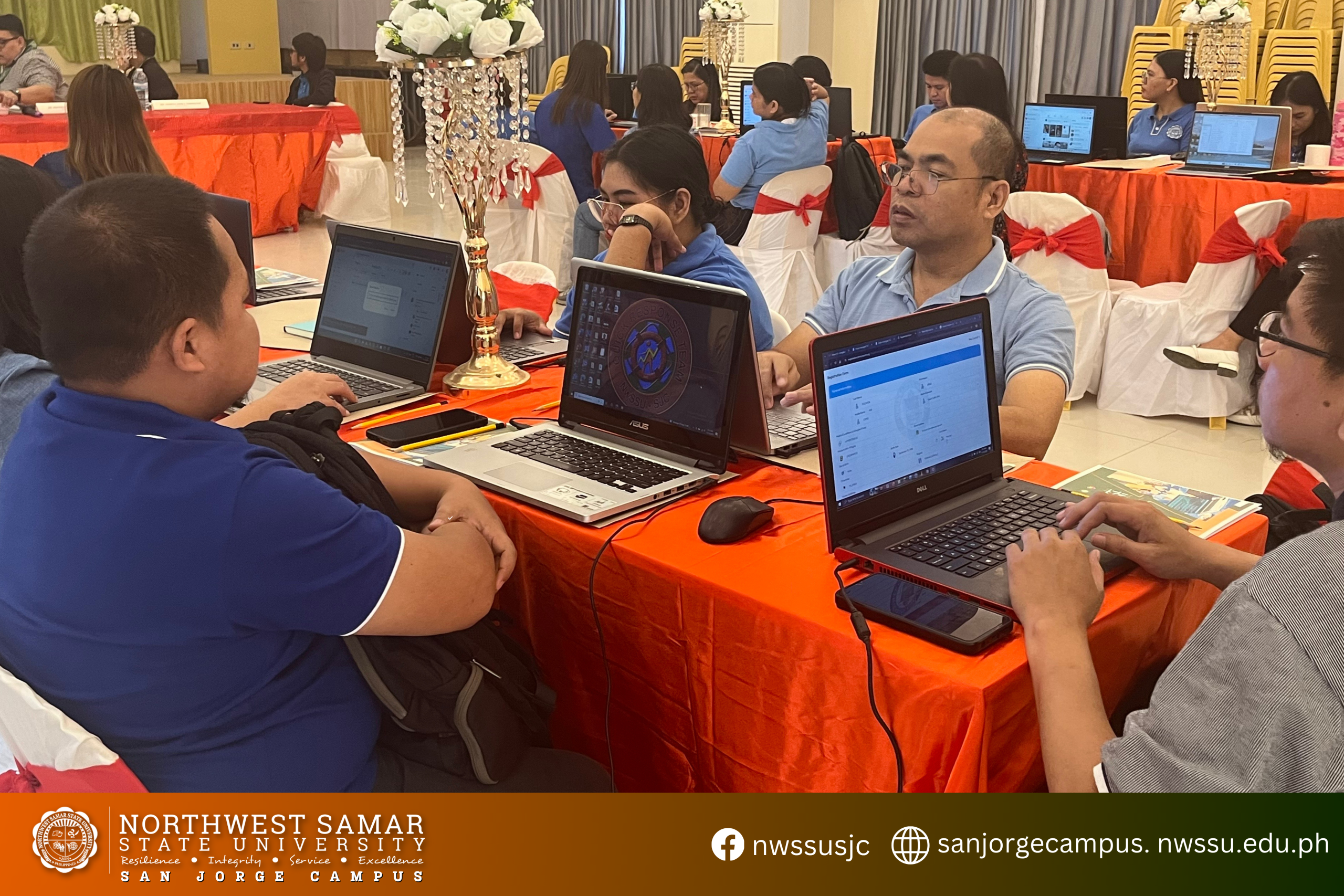
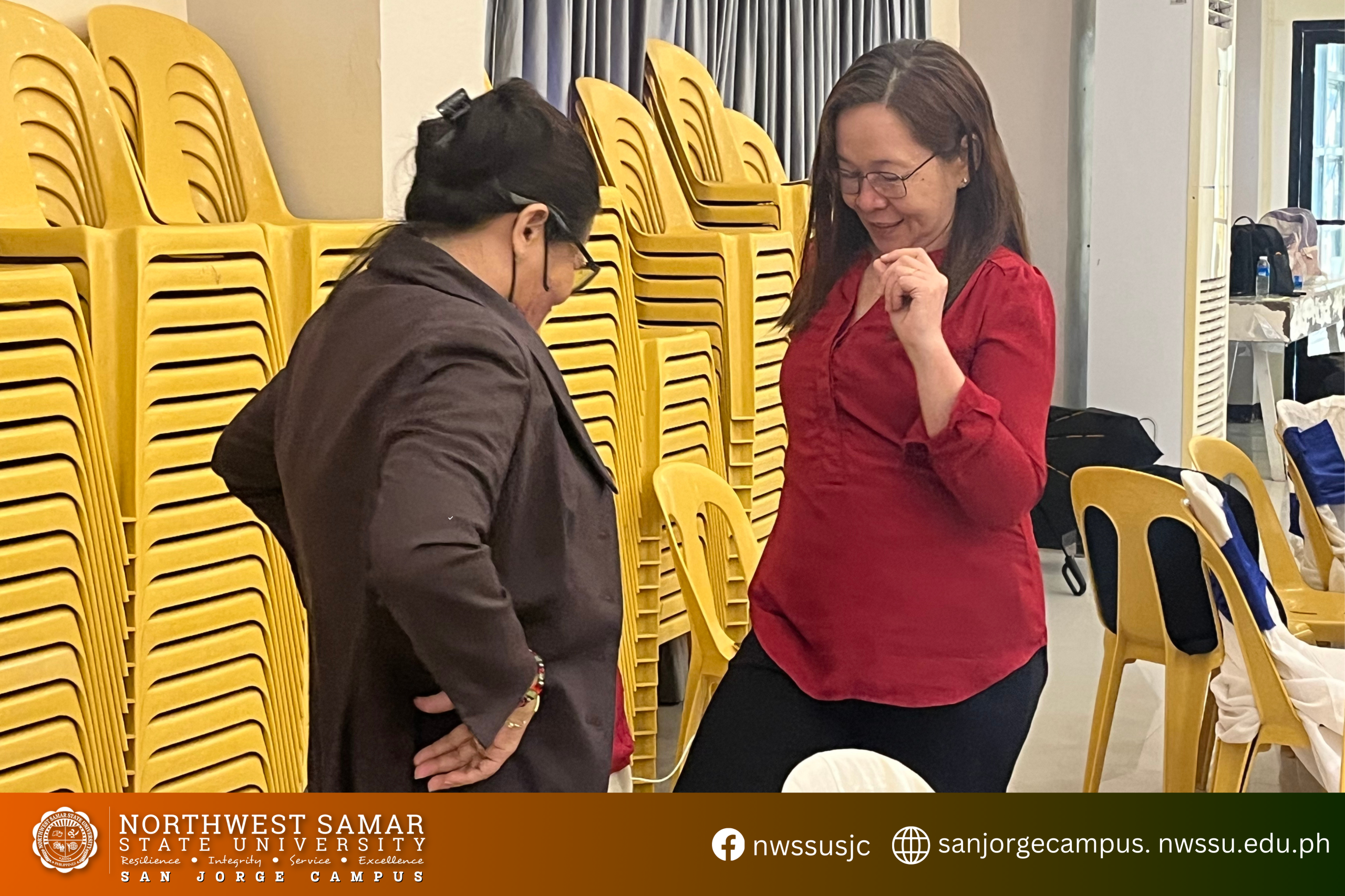
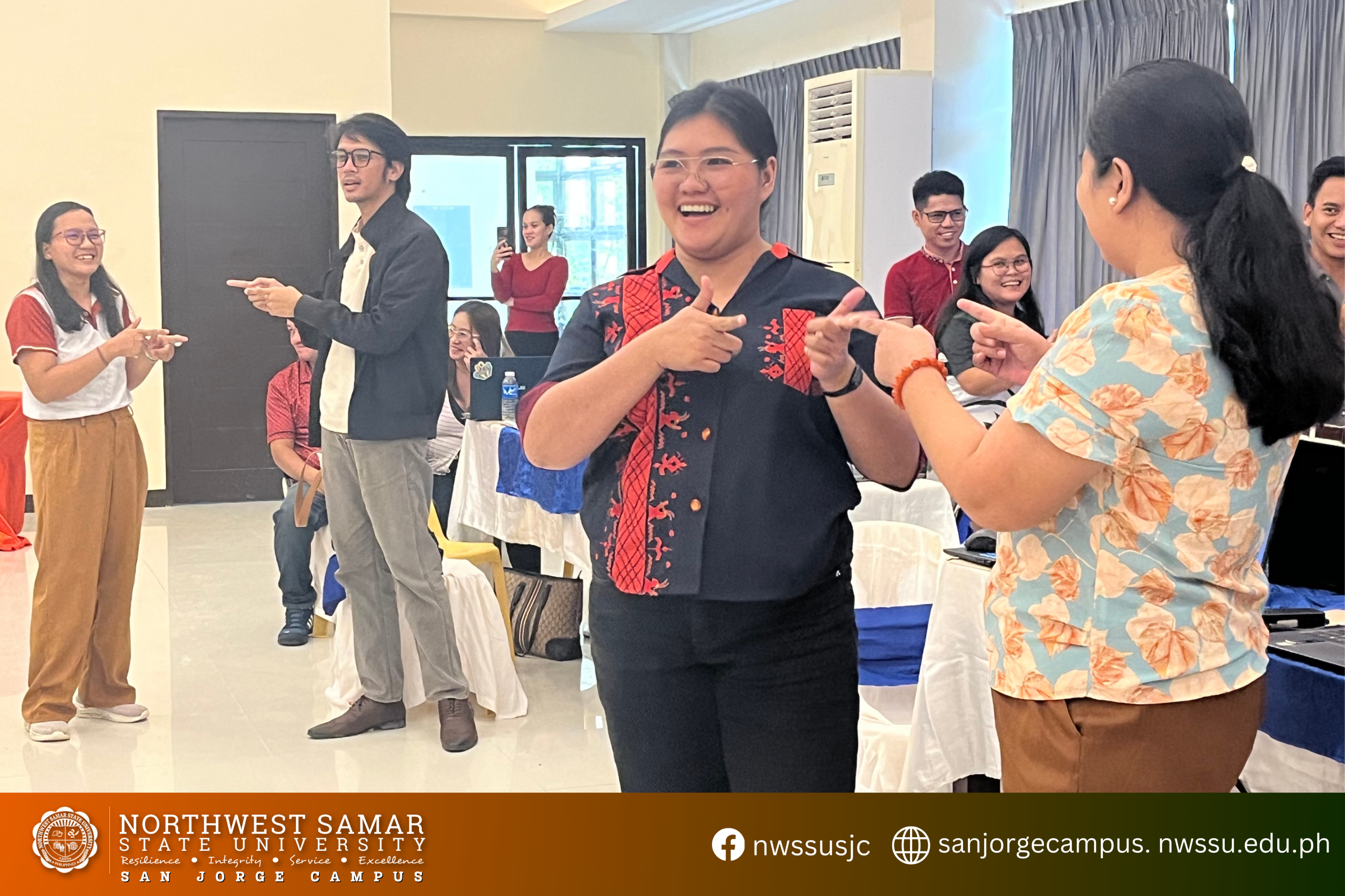
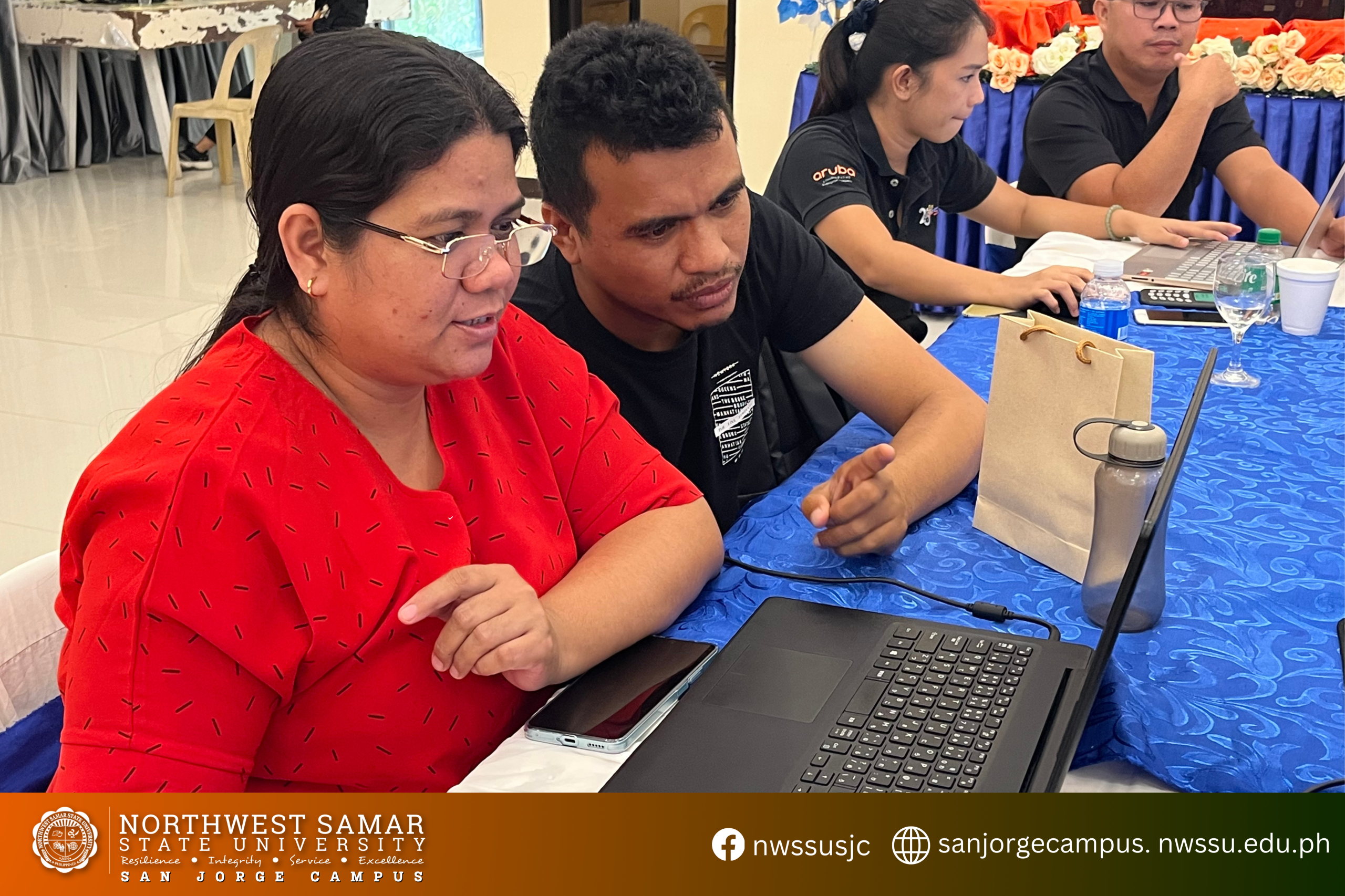
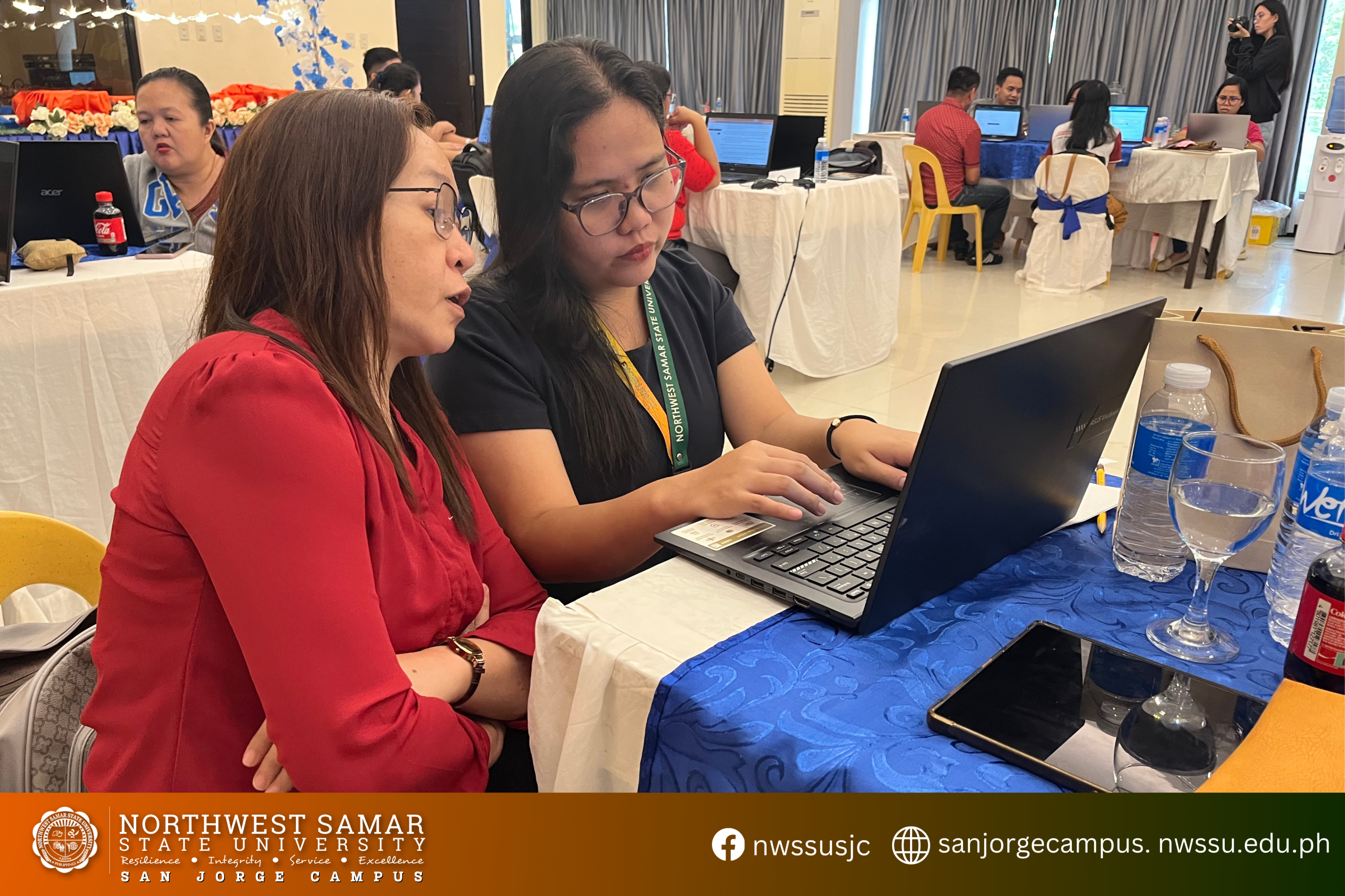
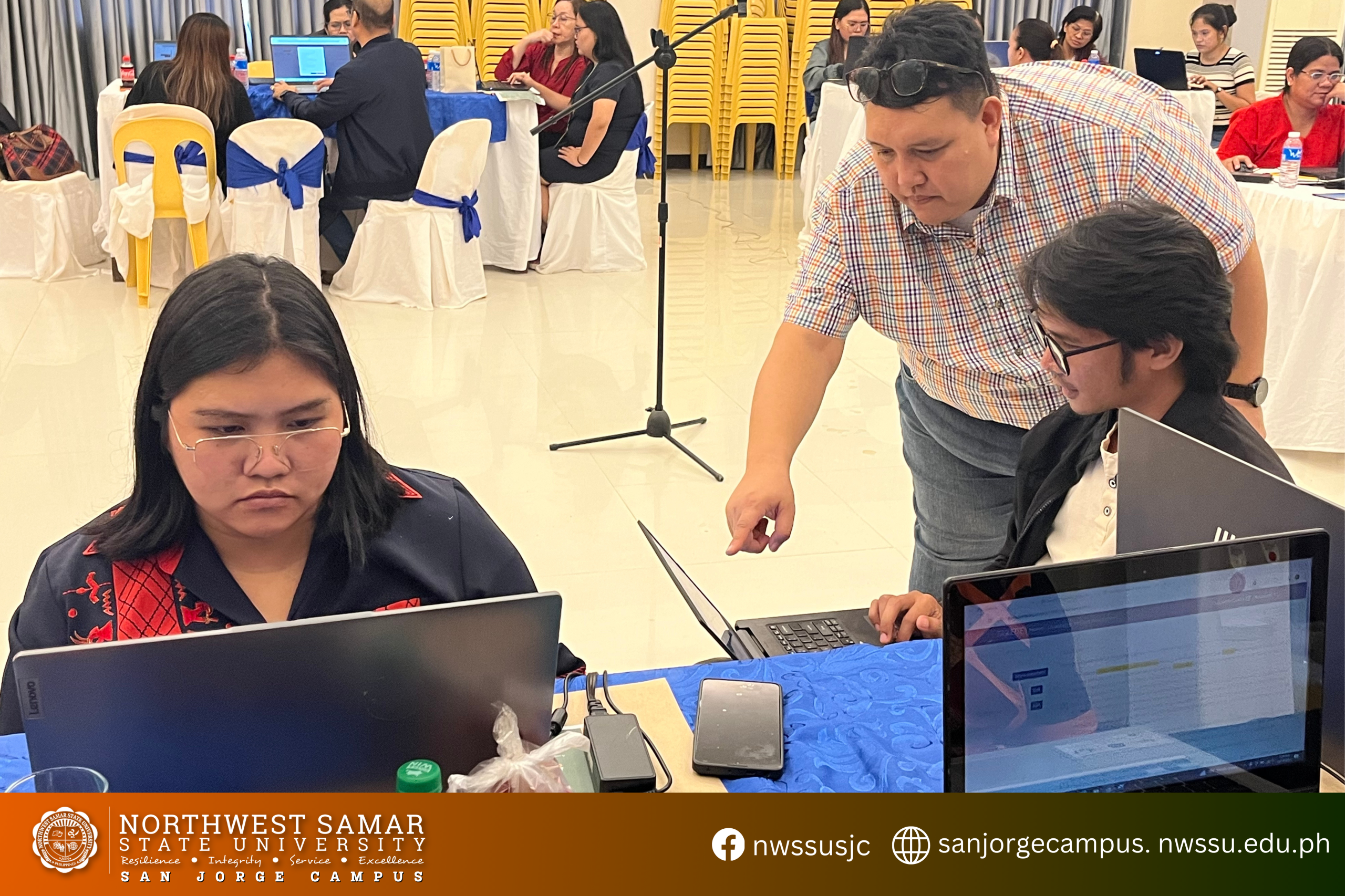
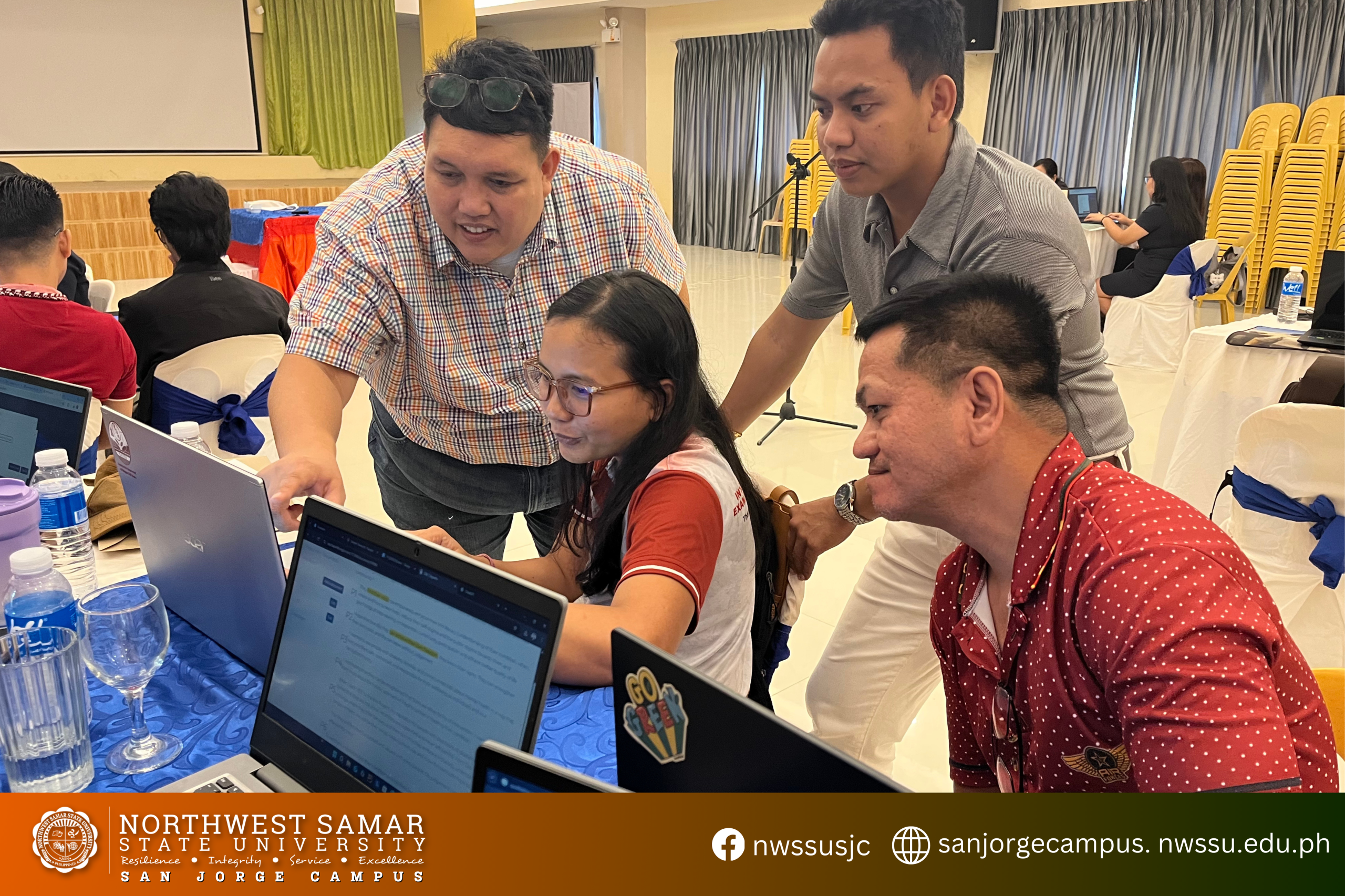
To ensure hands-on learning, the training also included a workshop session where participants were divided into six groups. Each group examined actual extension projects previously implemented by the campus and the Office of Research, Innovation, and Extension (RIE), developing Theories of Change (TOC), Program Logic Models, and Logframes allowing participants to identify strengths, gaps, and opportunities for improvement.
Day 2: Research That Puts Communities First
The second day of the Training on Impact Assessment of Extension Projects deepened participants’ understanding of community-centered research.
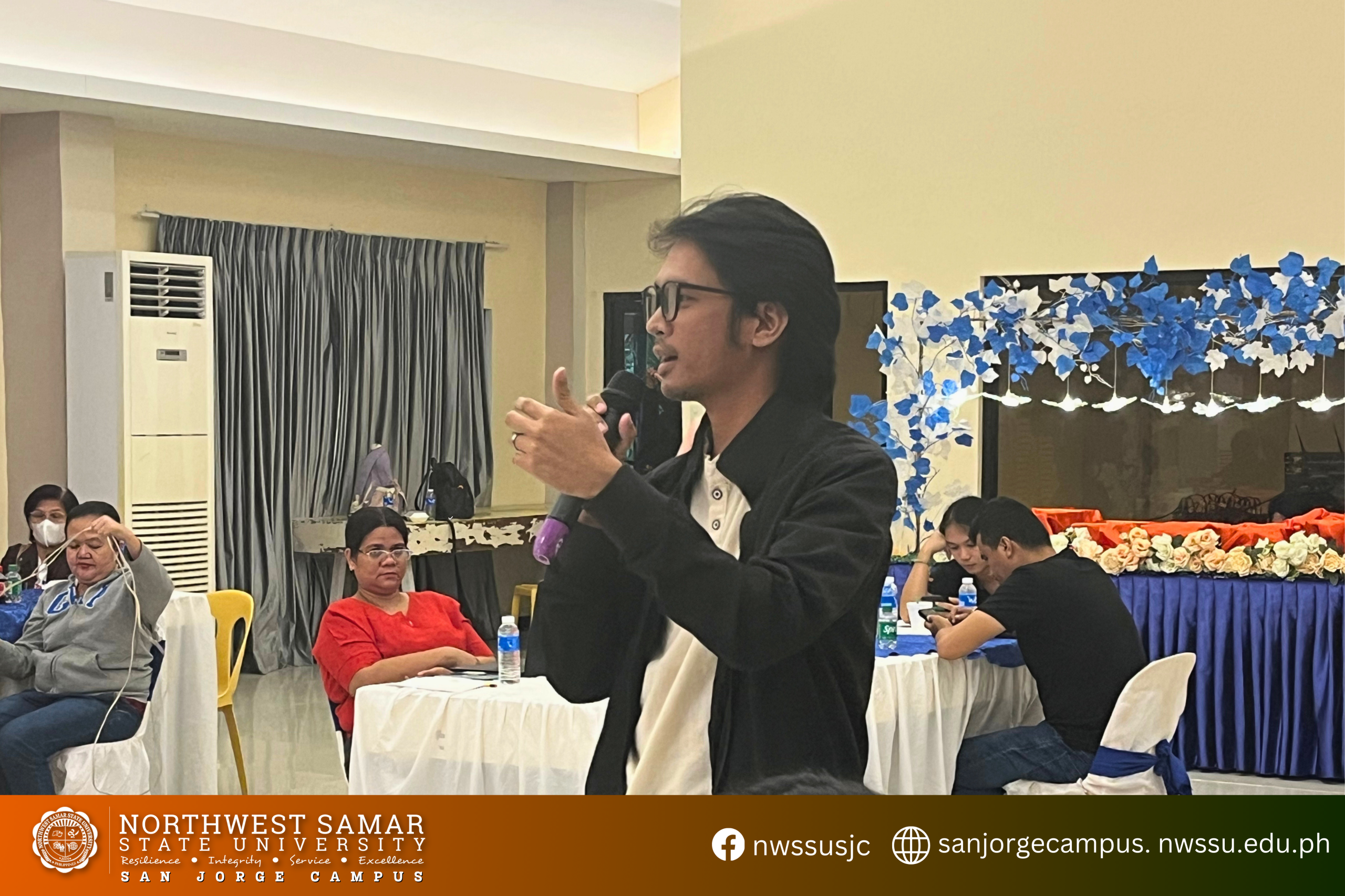
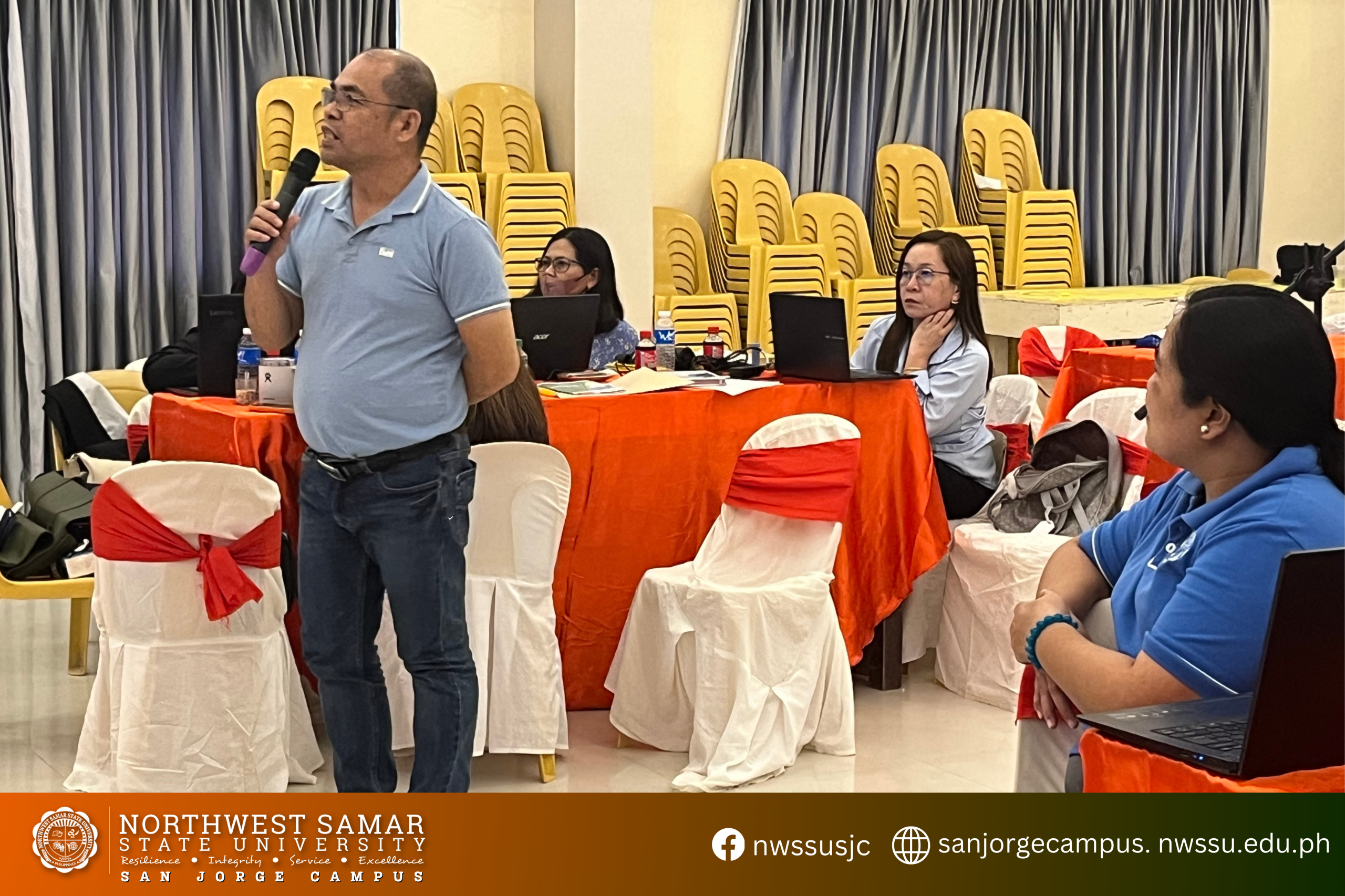
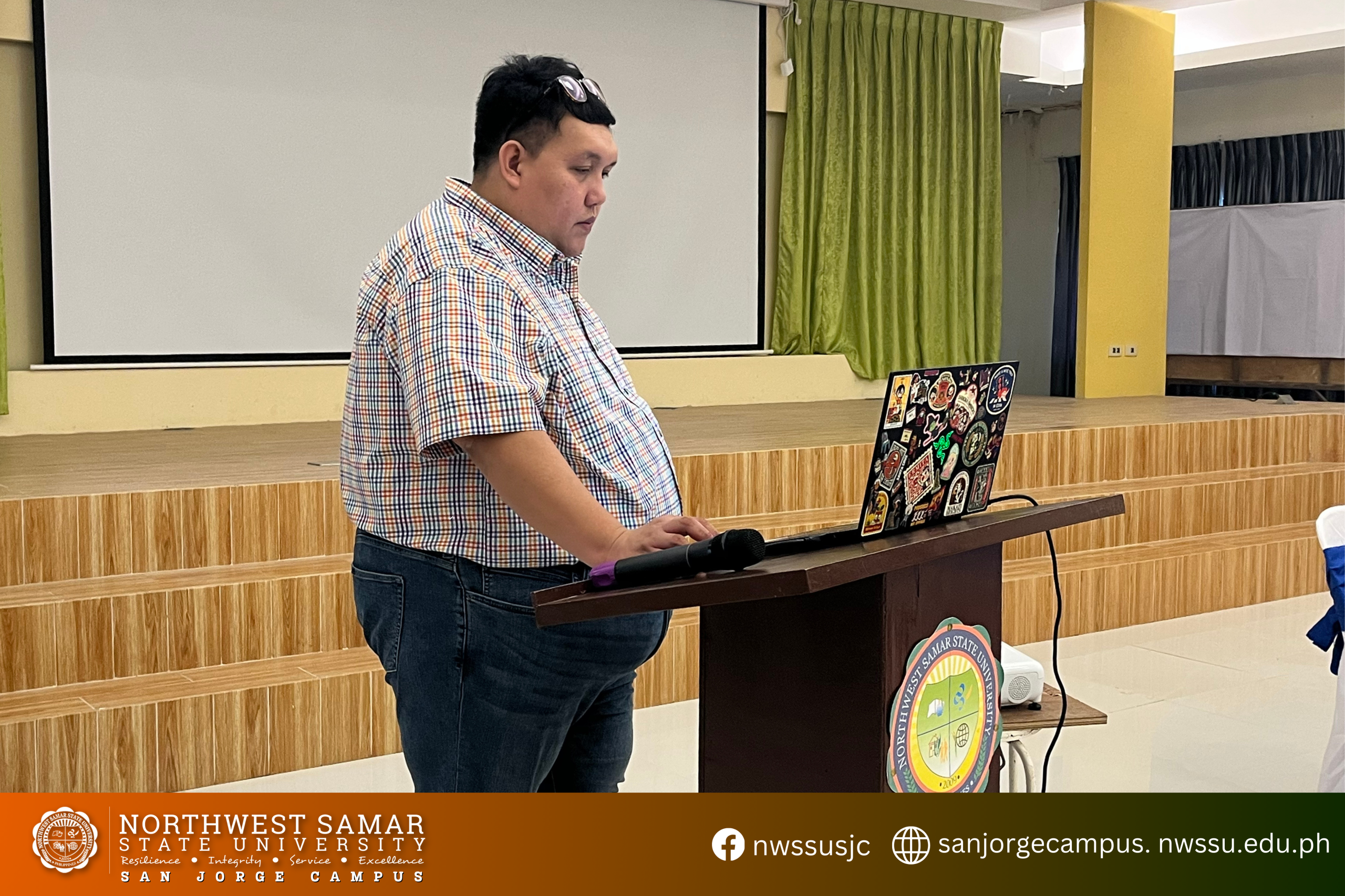
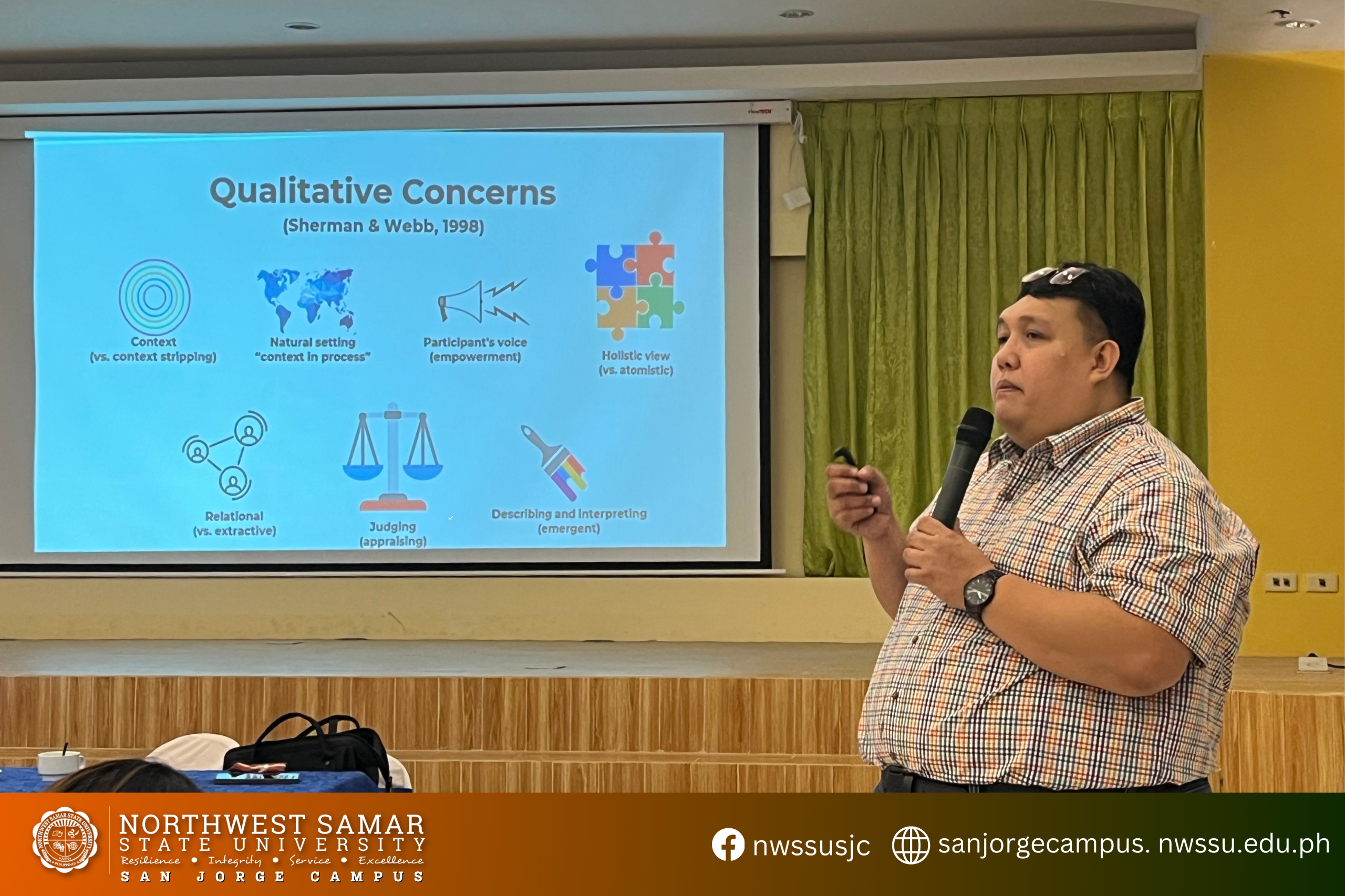
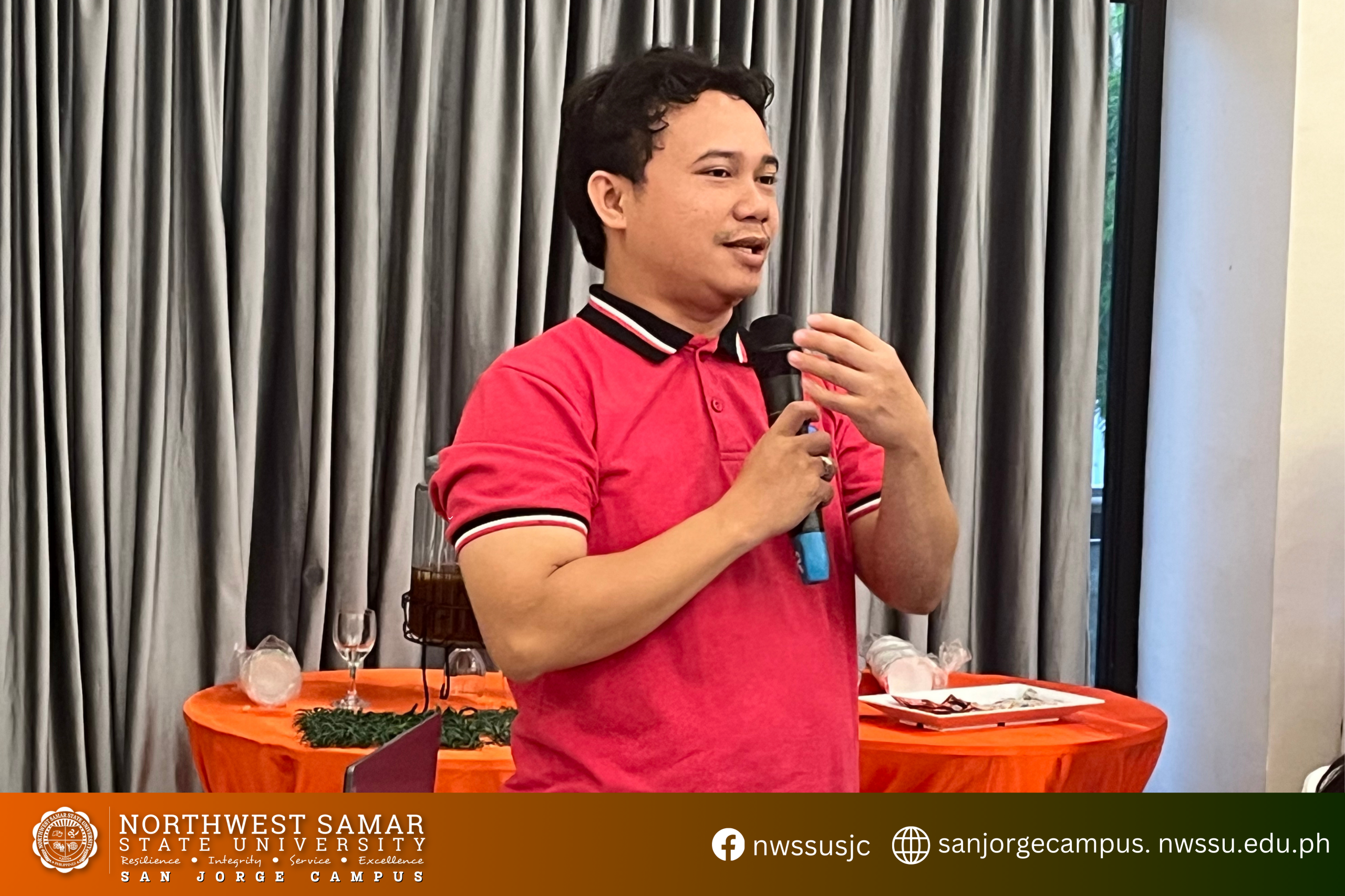
The session featured Asst. Professor Nephtaly Joel Botor (DHFDS, CHE) as the resource speaker where he underscored the use of qualitative tools and methods in impact assessment and that research and extension must be relational rather than extractive, emphasizing that communities should gain meaningful benefits from research engagements—whether or not these evolve into full extension projects. He also discussed the key characteristics of a qualitative researcher: openness to change, chaos, mess, and uncertainties; humility; and strong relationship-building skills.
To apply these concepts, the workshop focused on basic qualitative coding, conducting a quick thematic analysis and generating a focused list of potential project goals based on emerging themes.
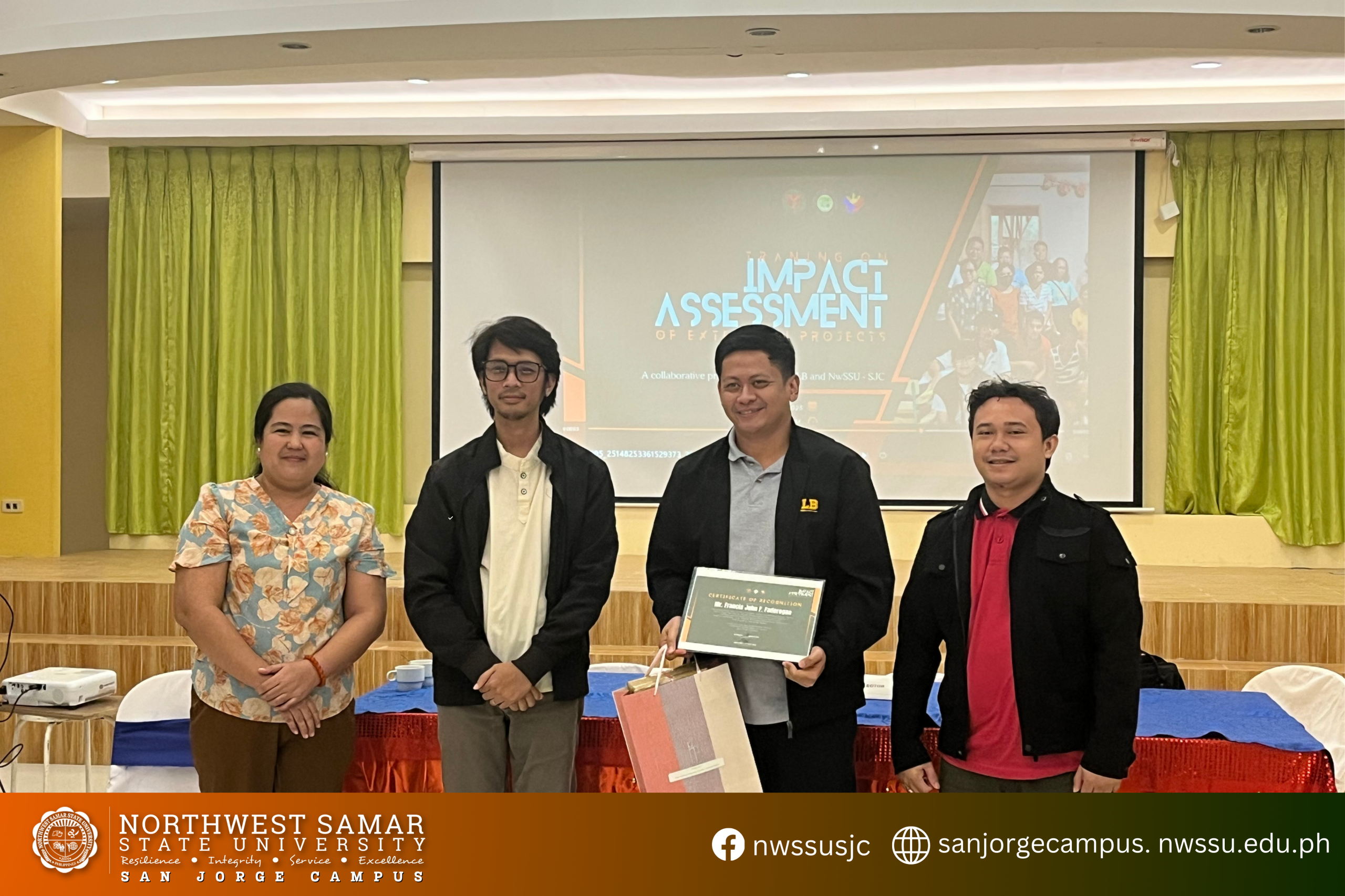
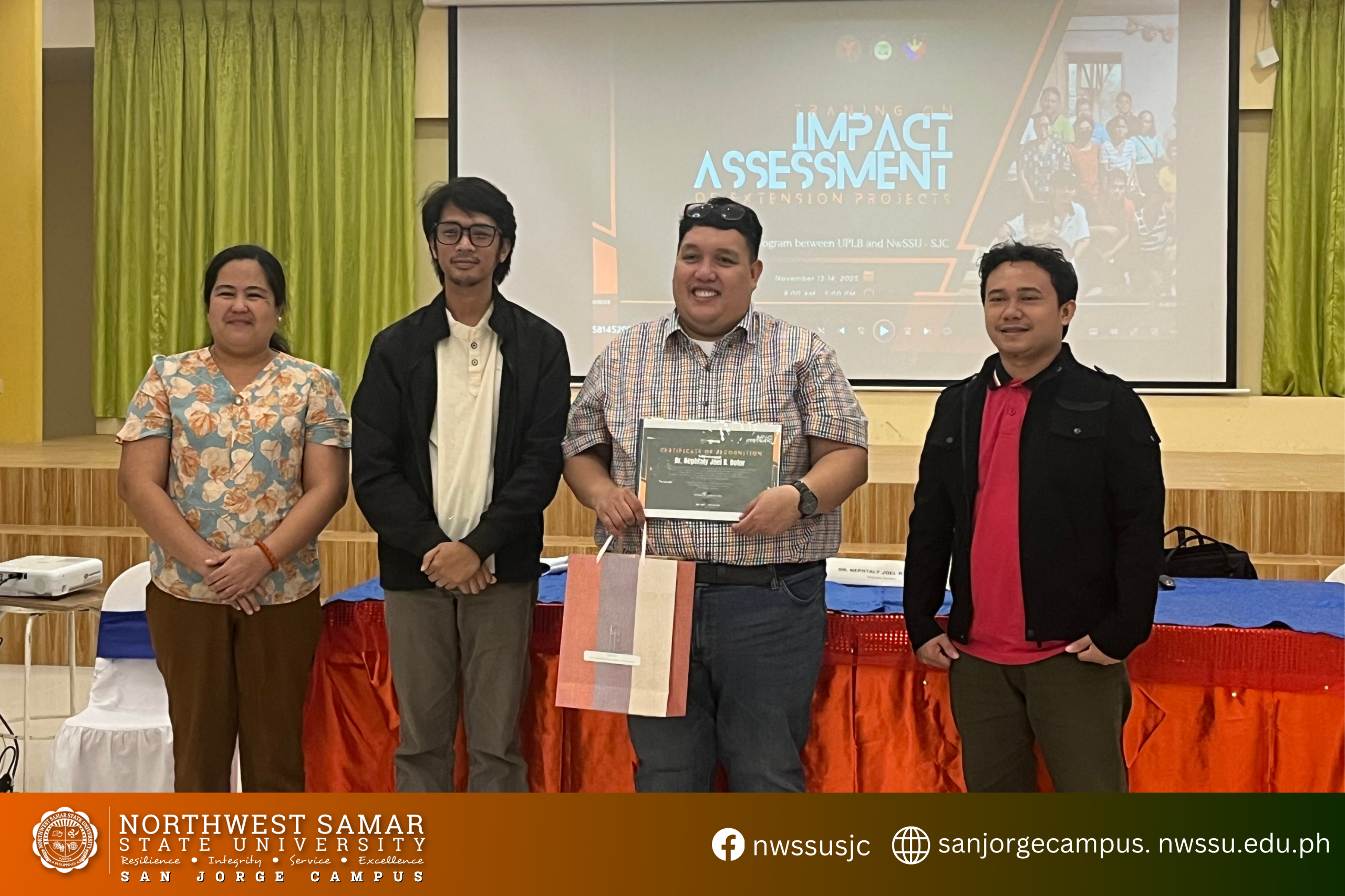
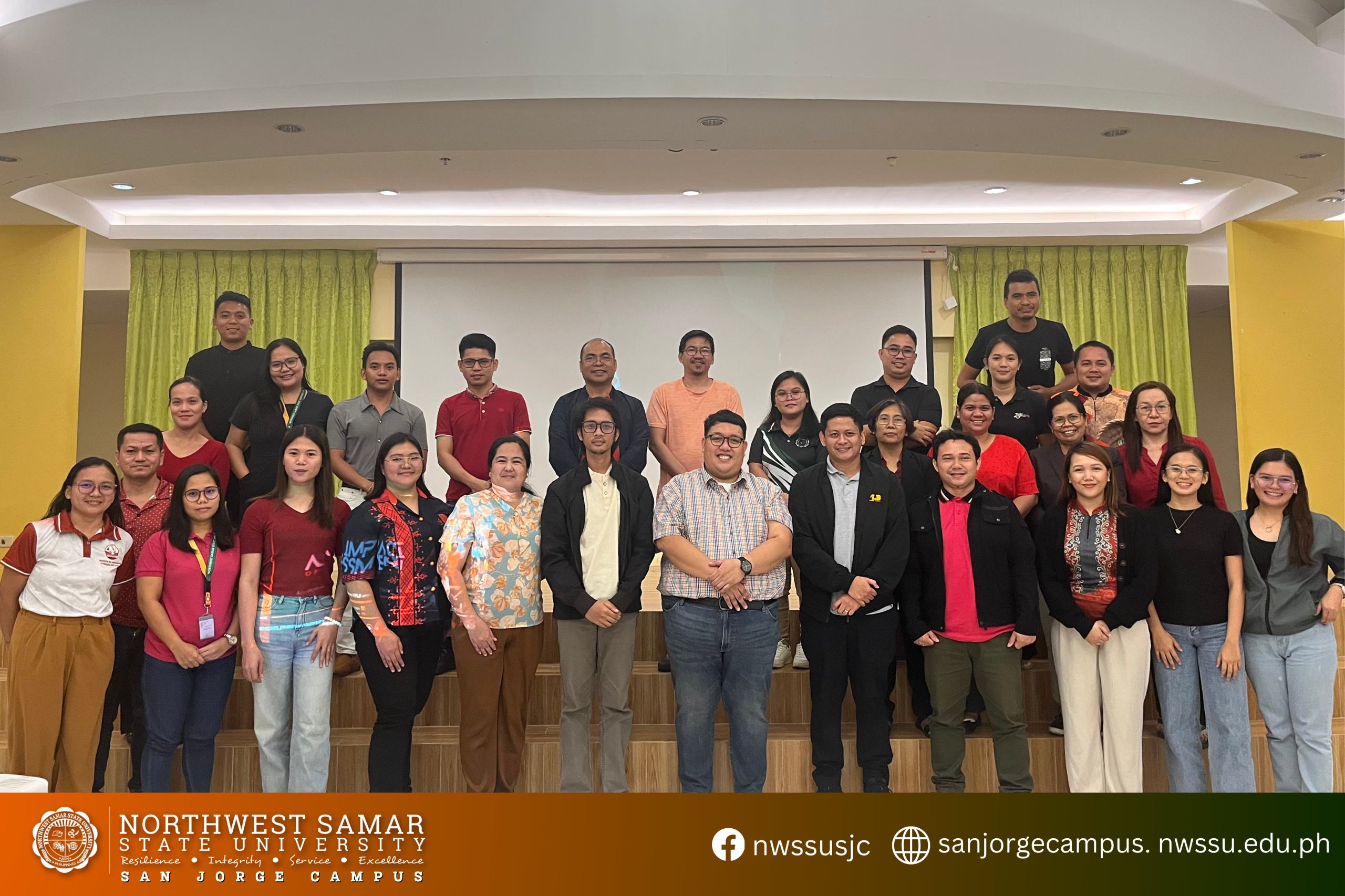
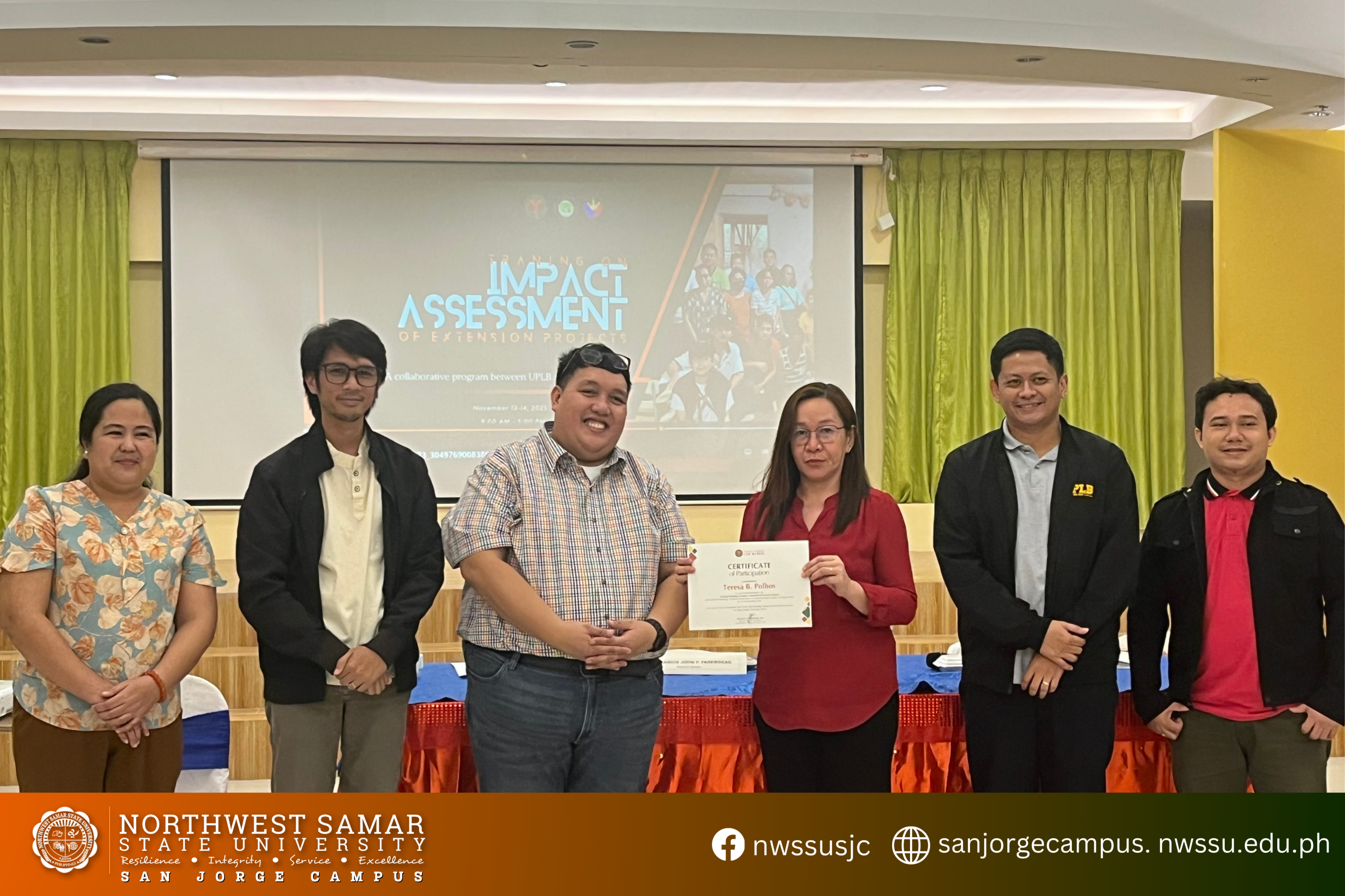
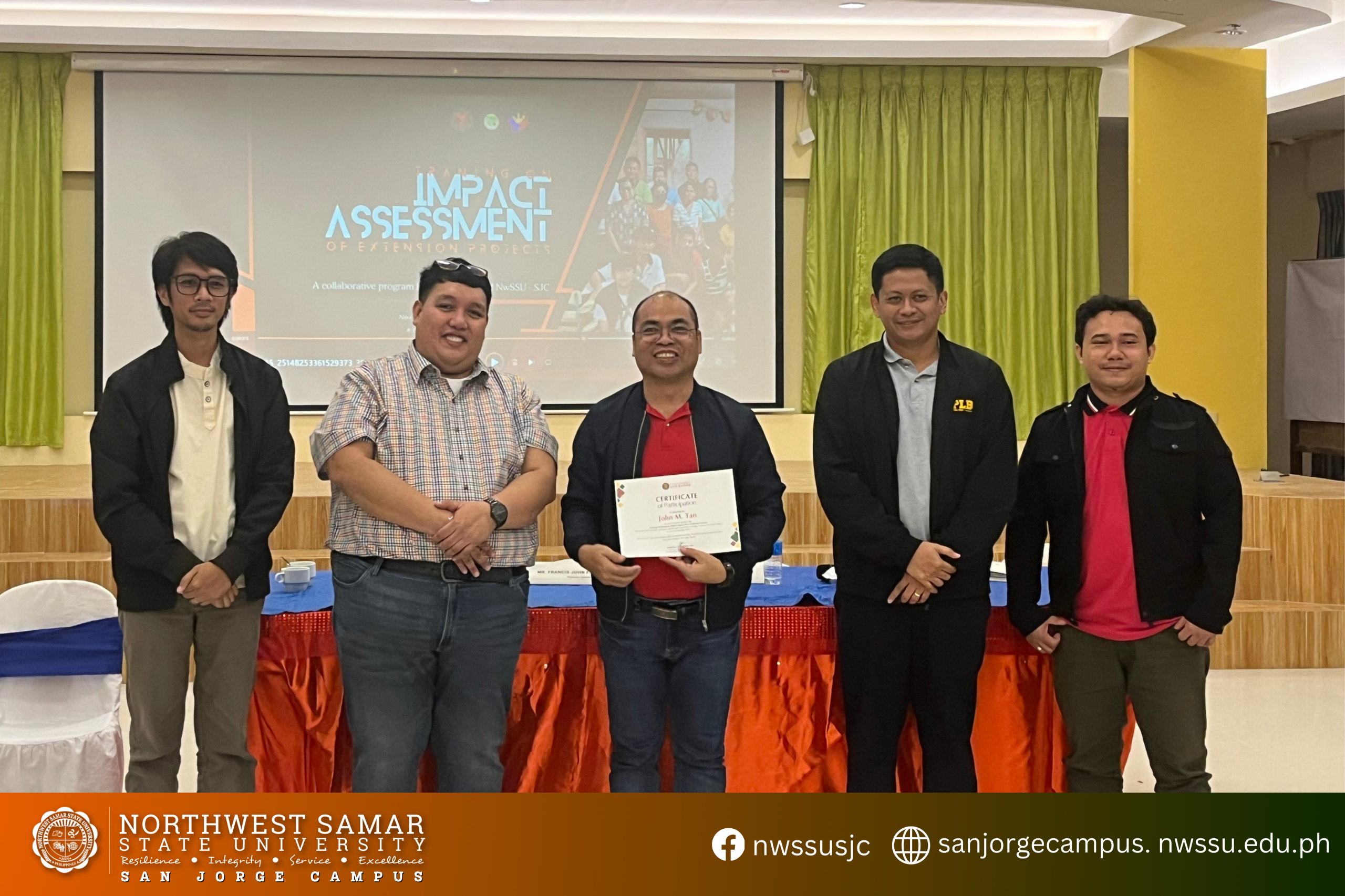
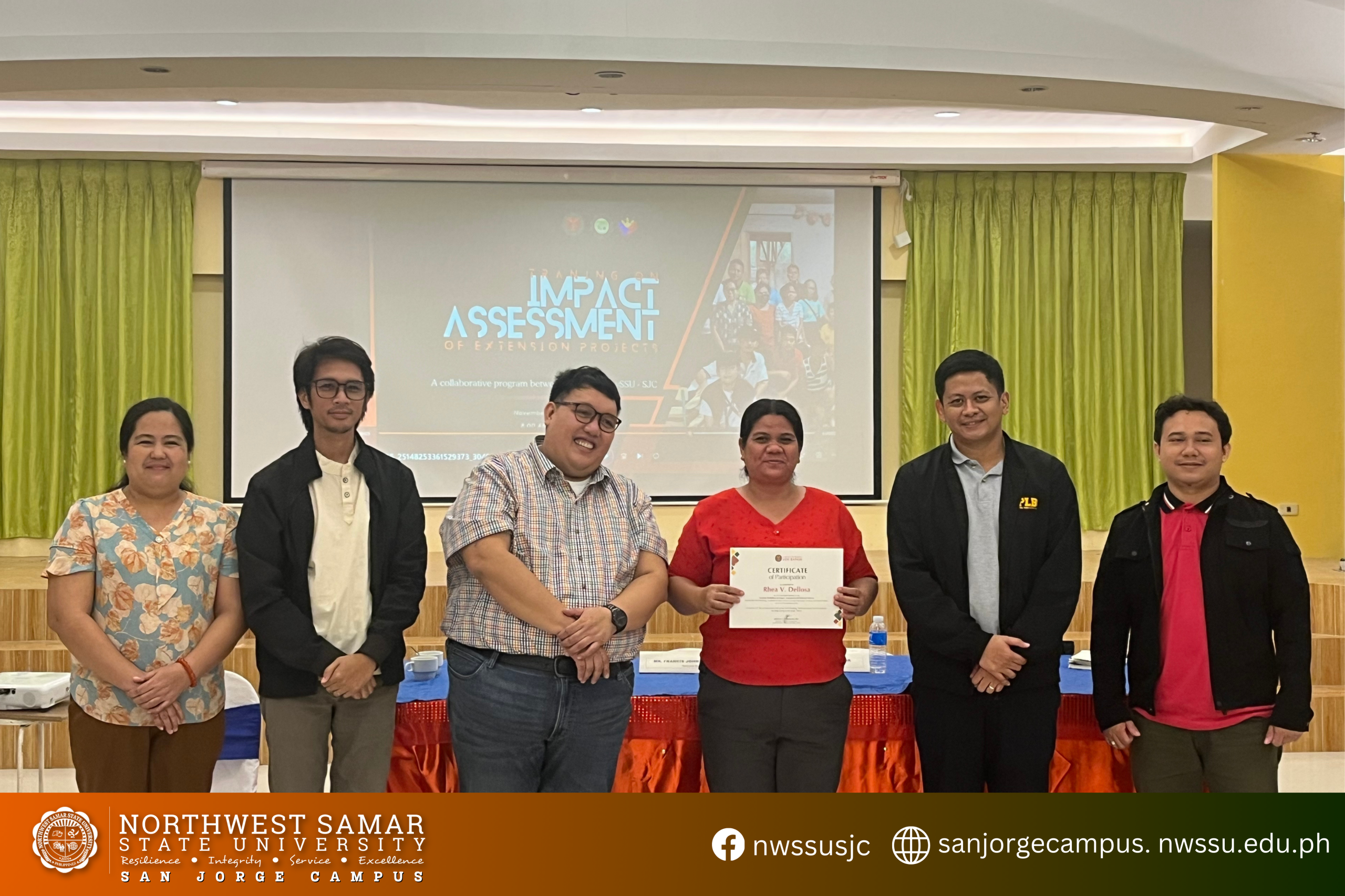
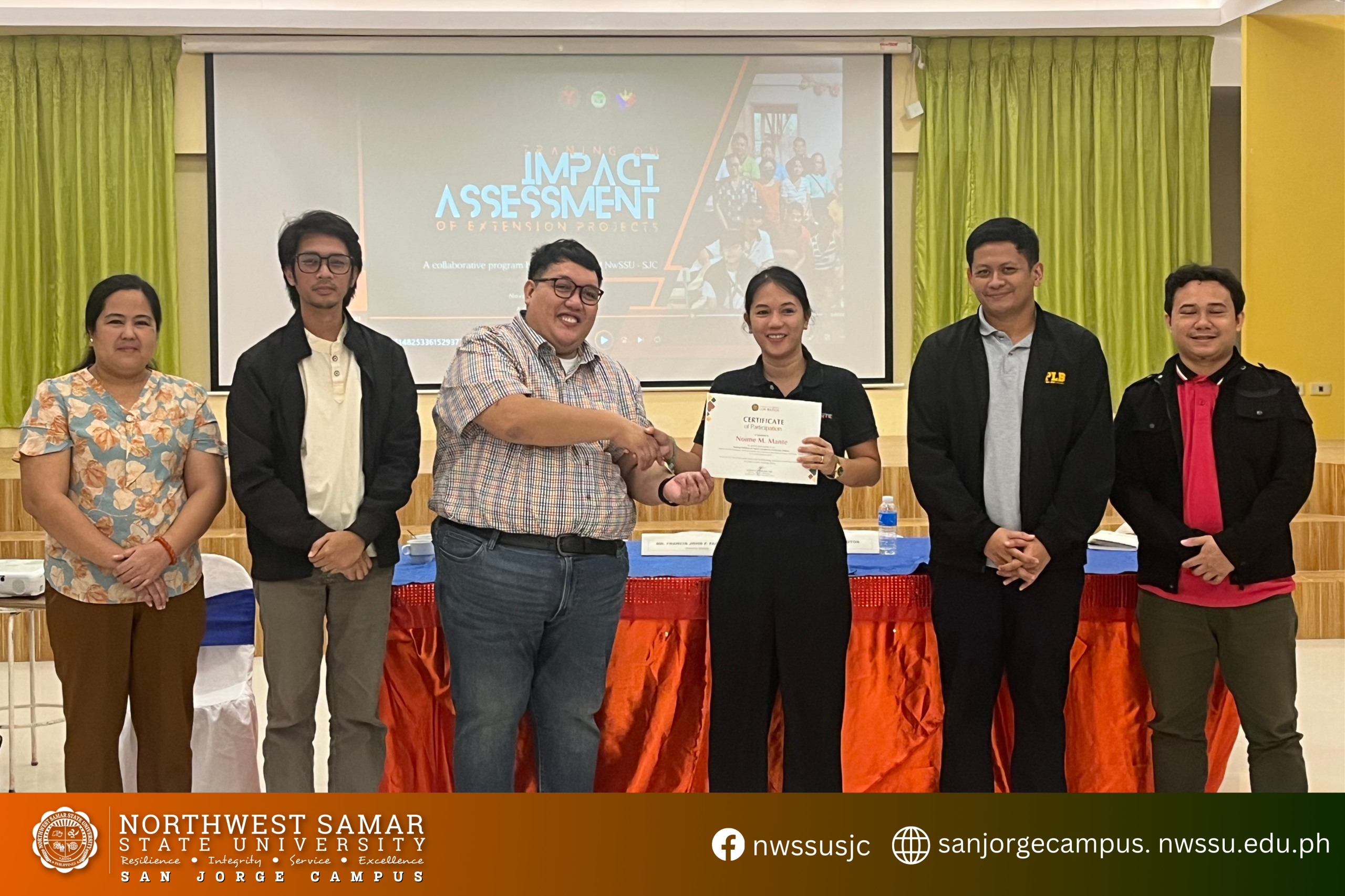
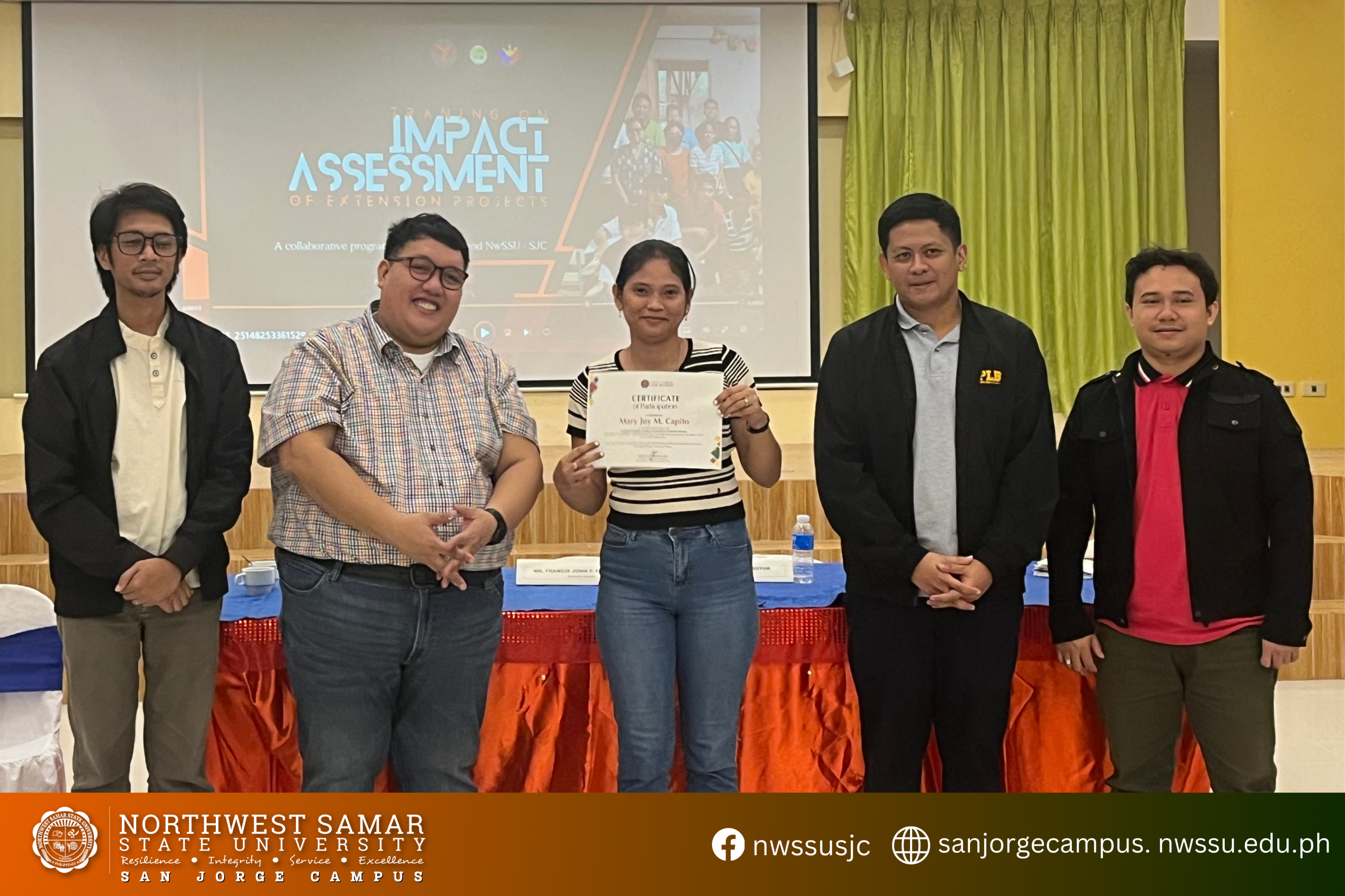
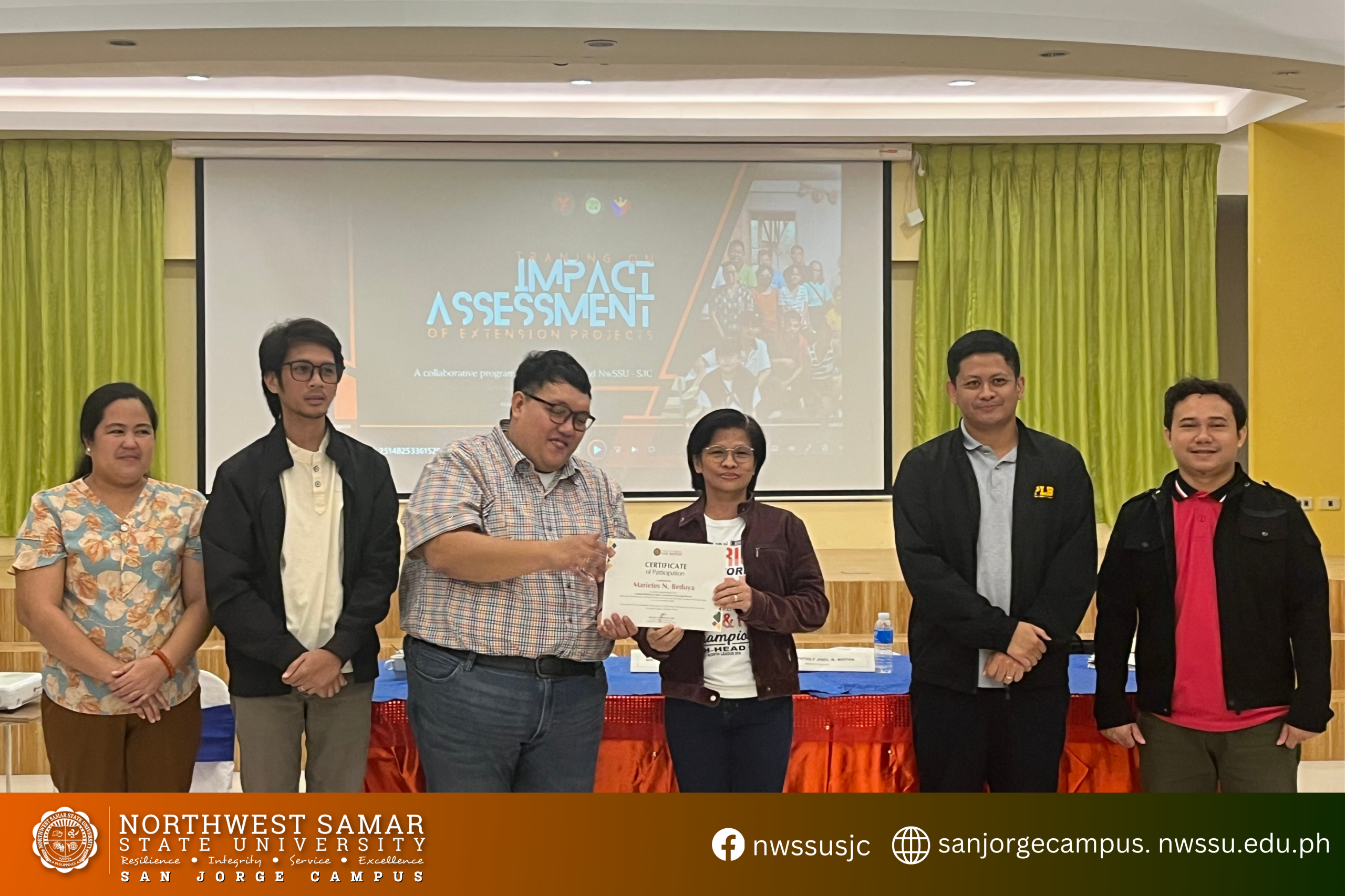
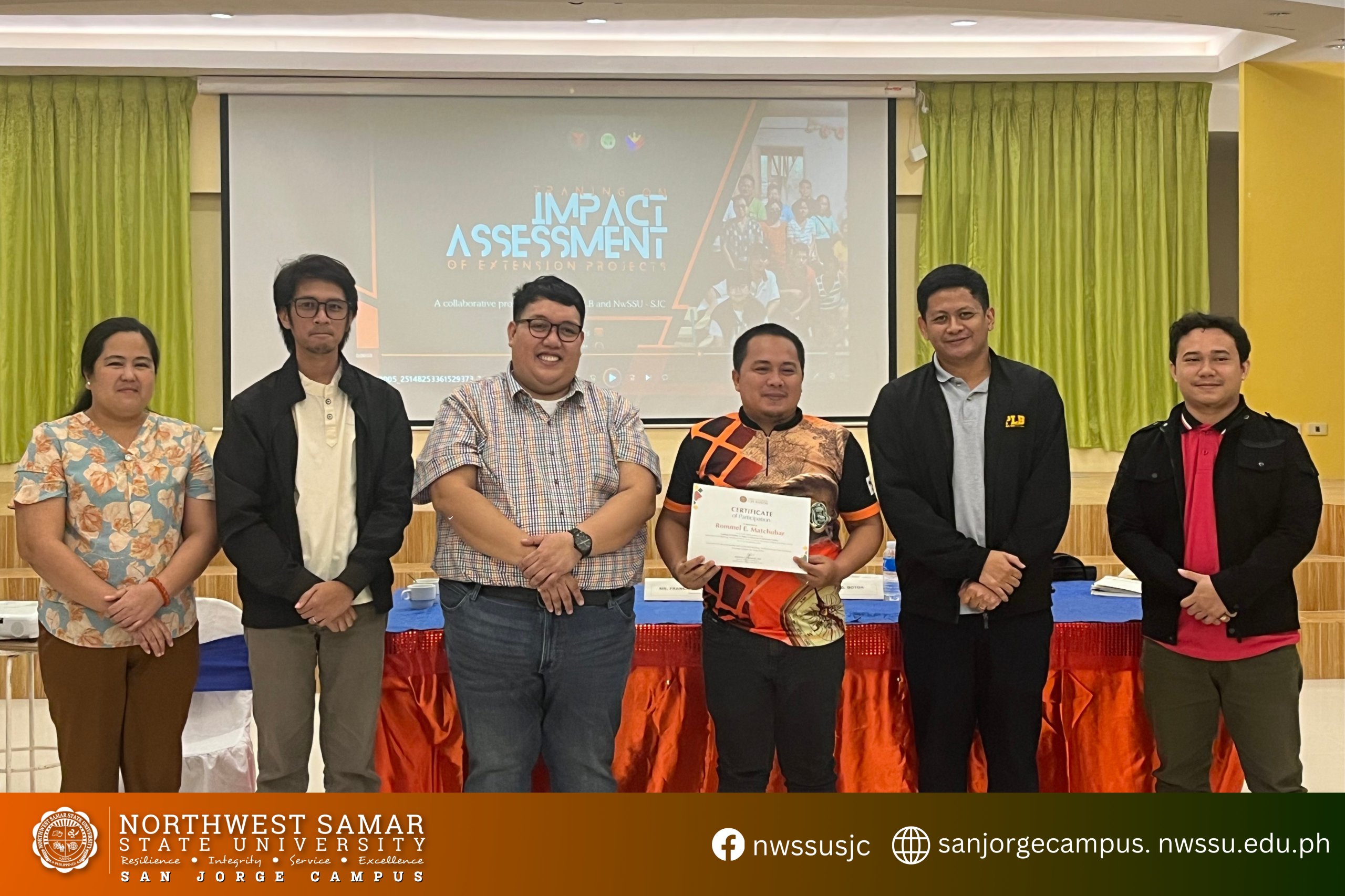
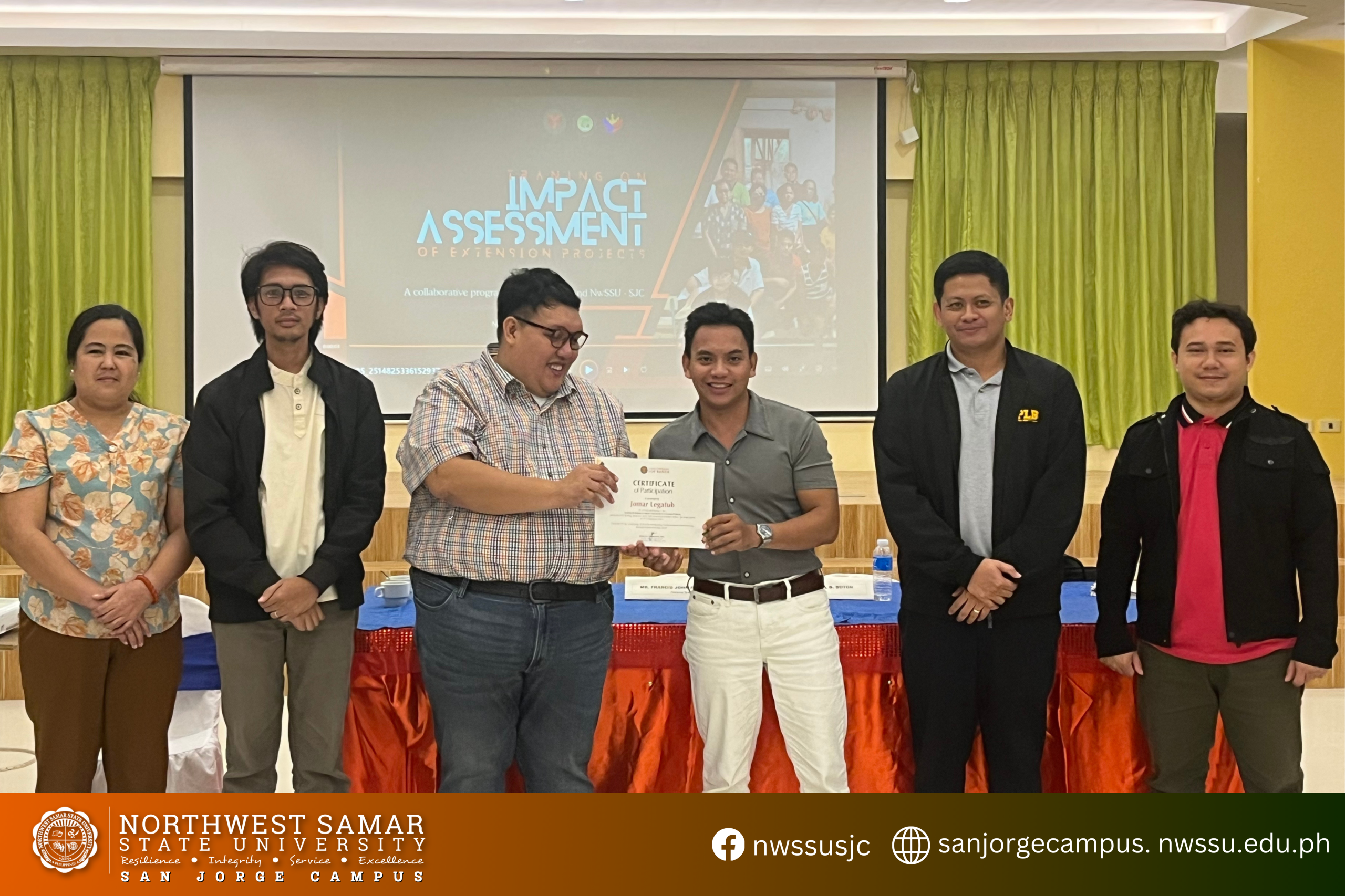
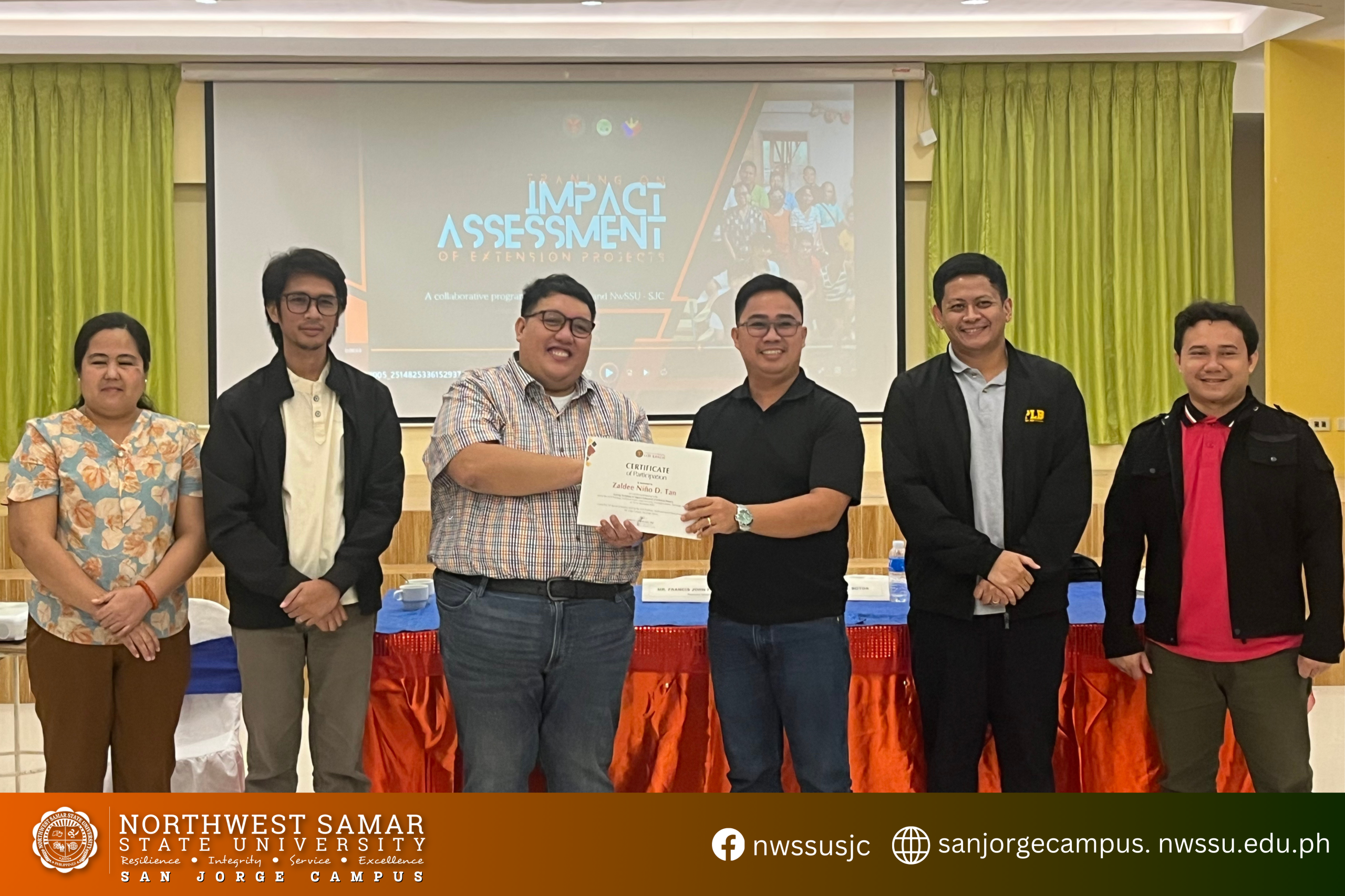
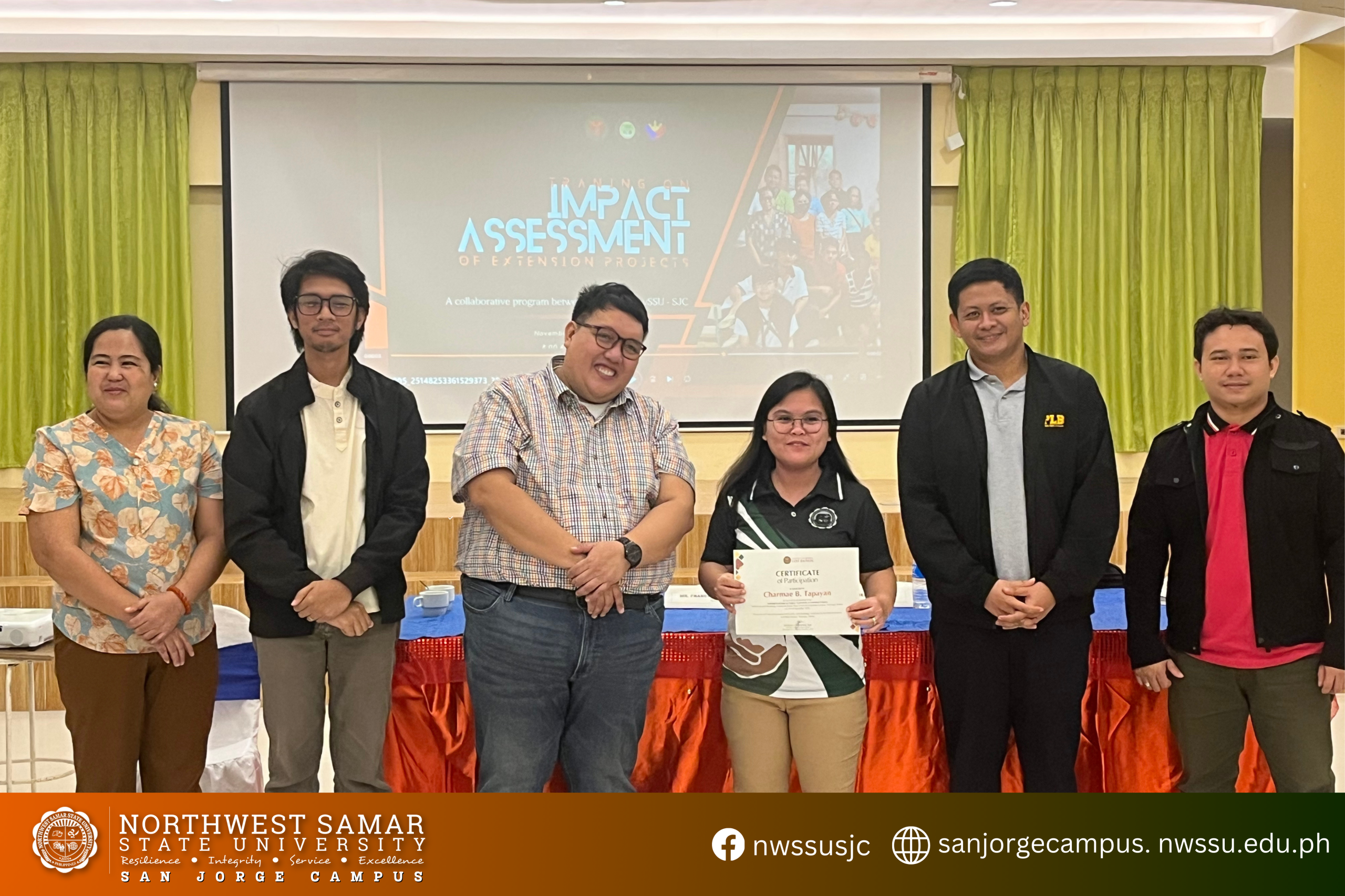
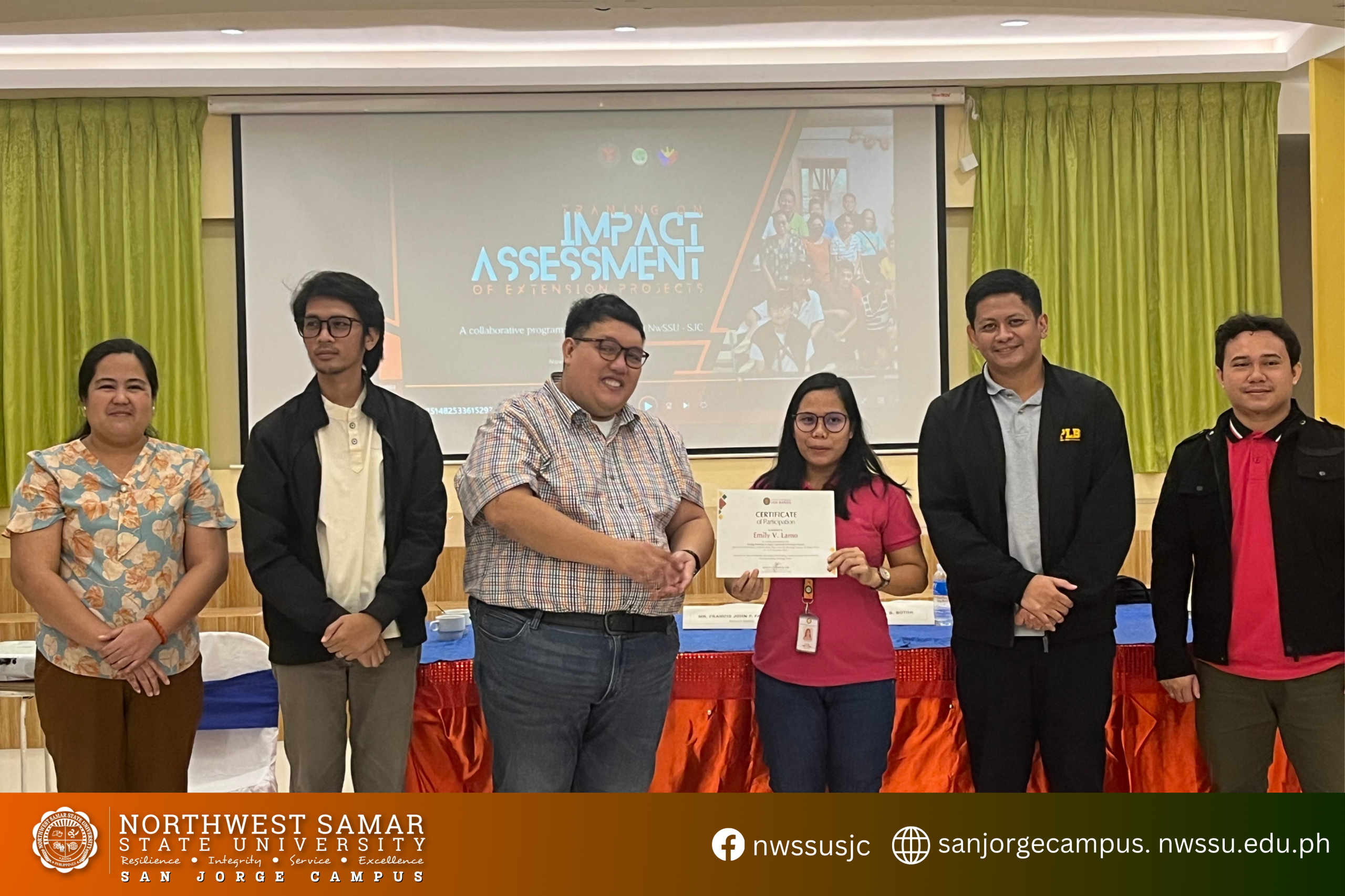
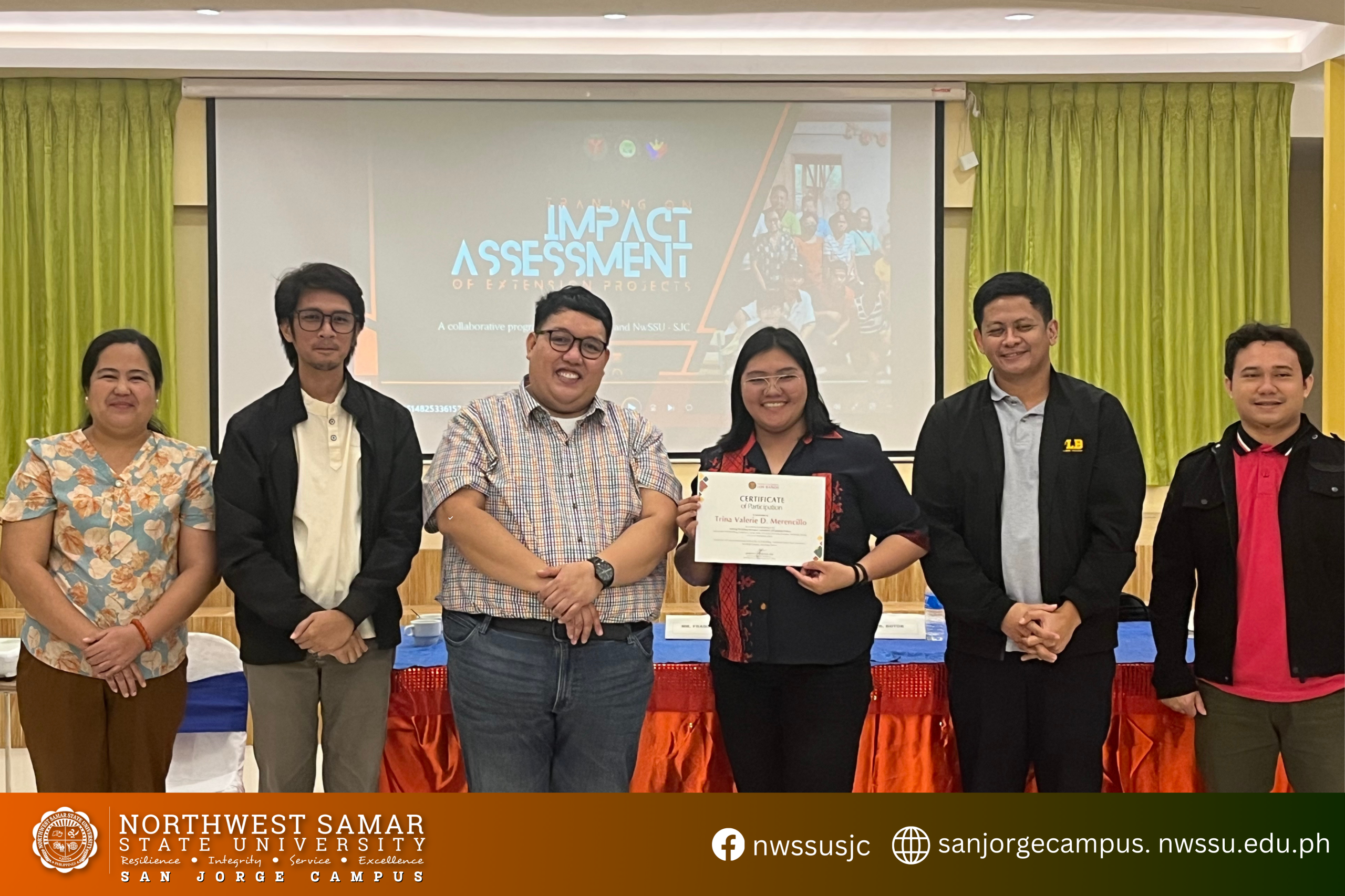
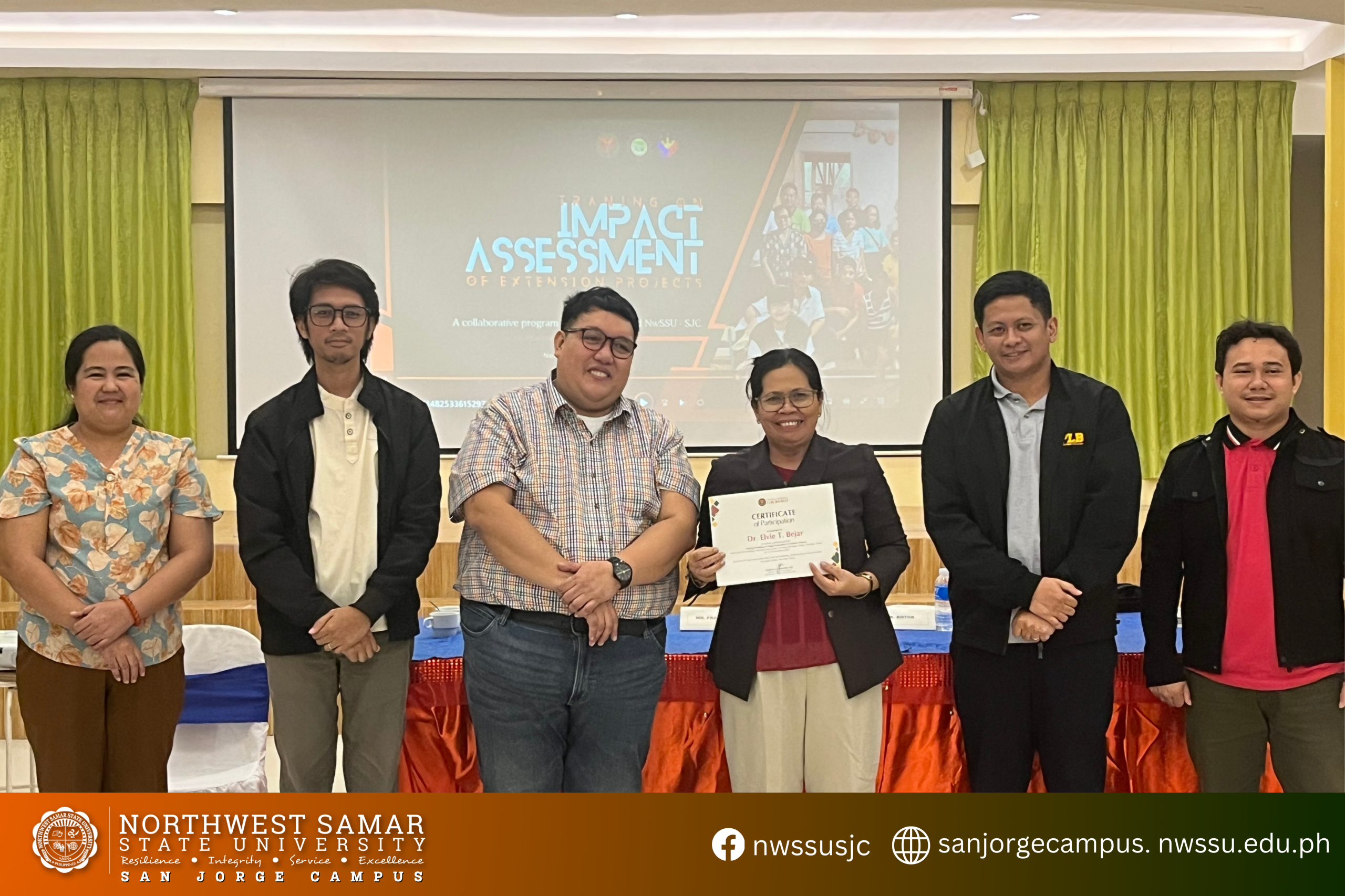
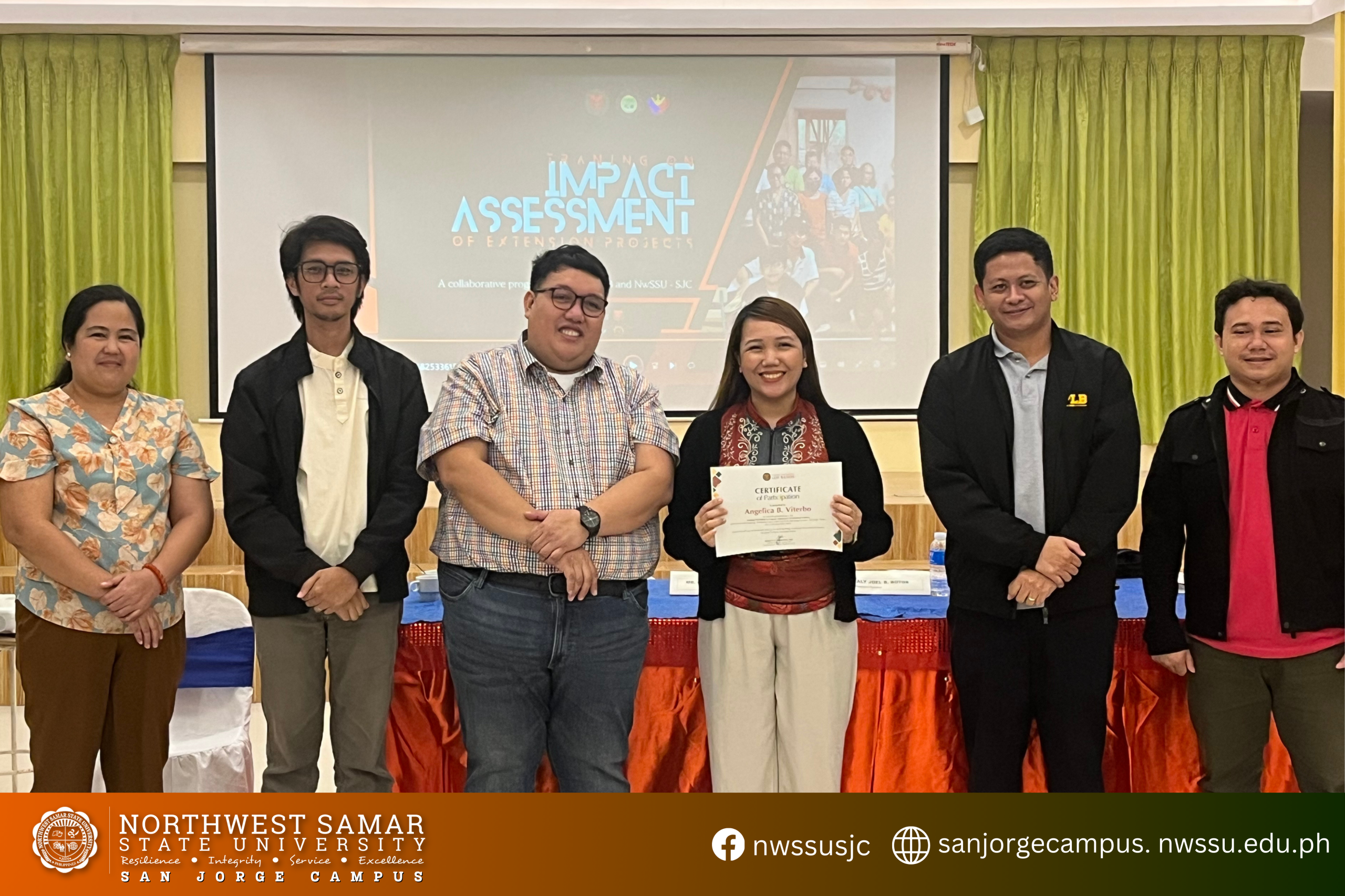
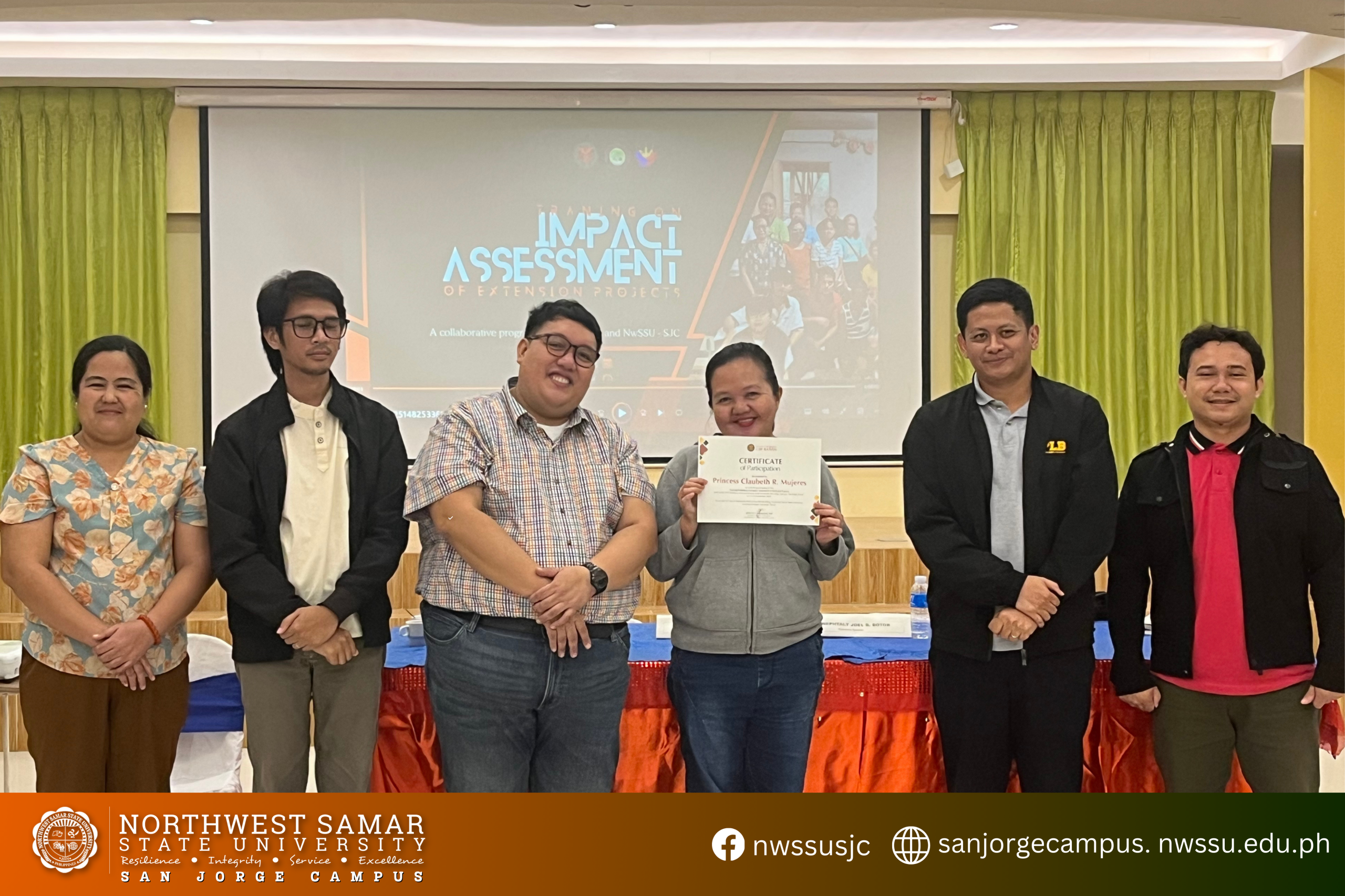
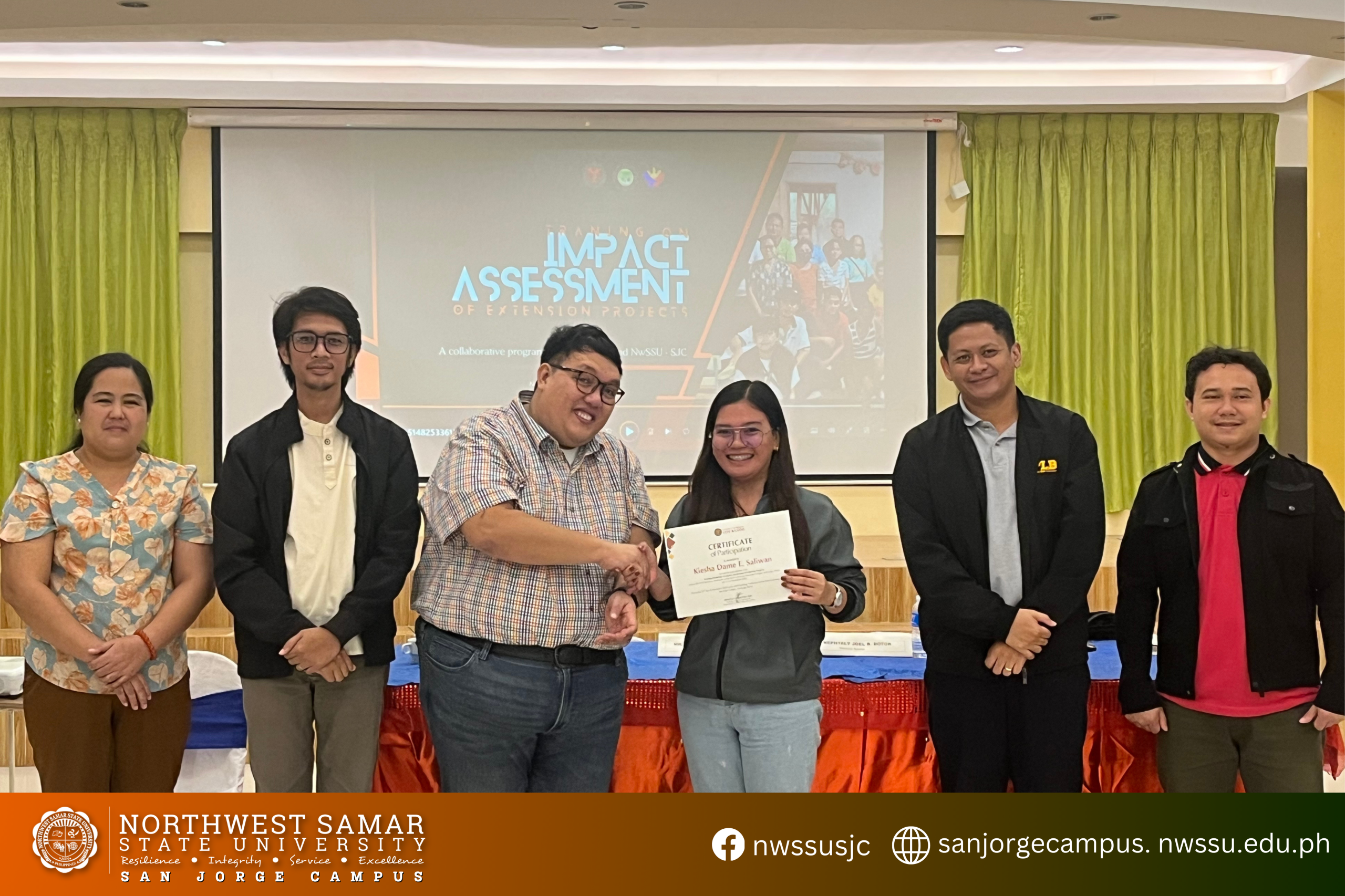
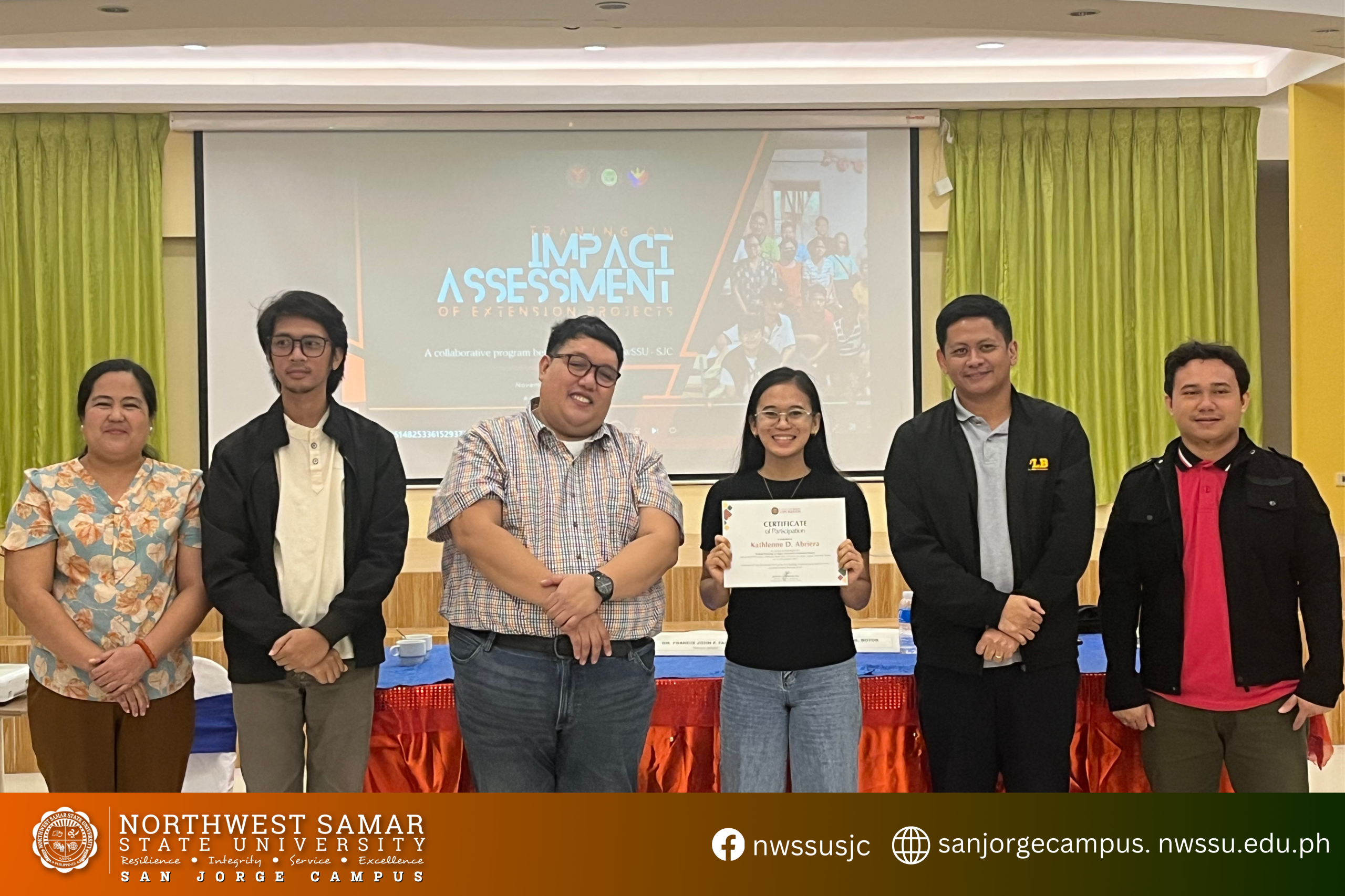
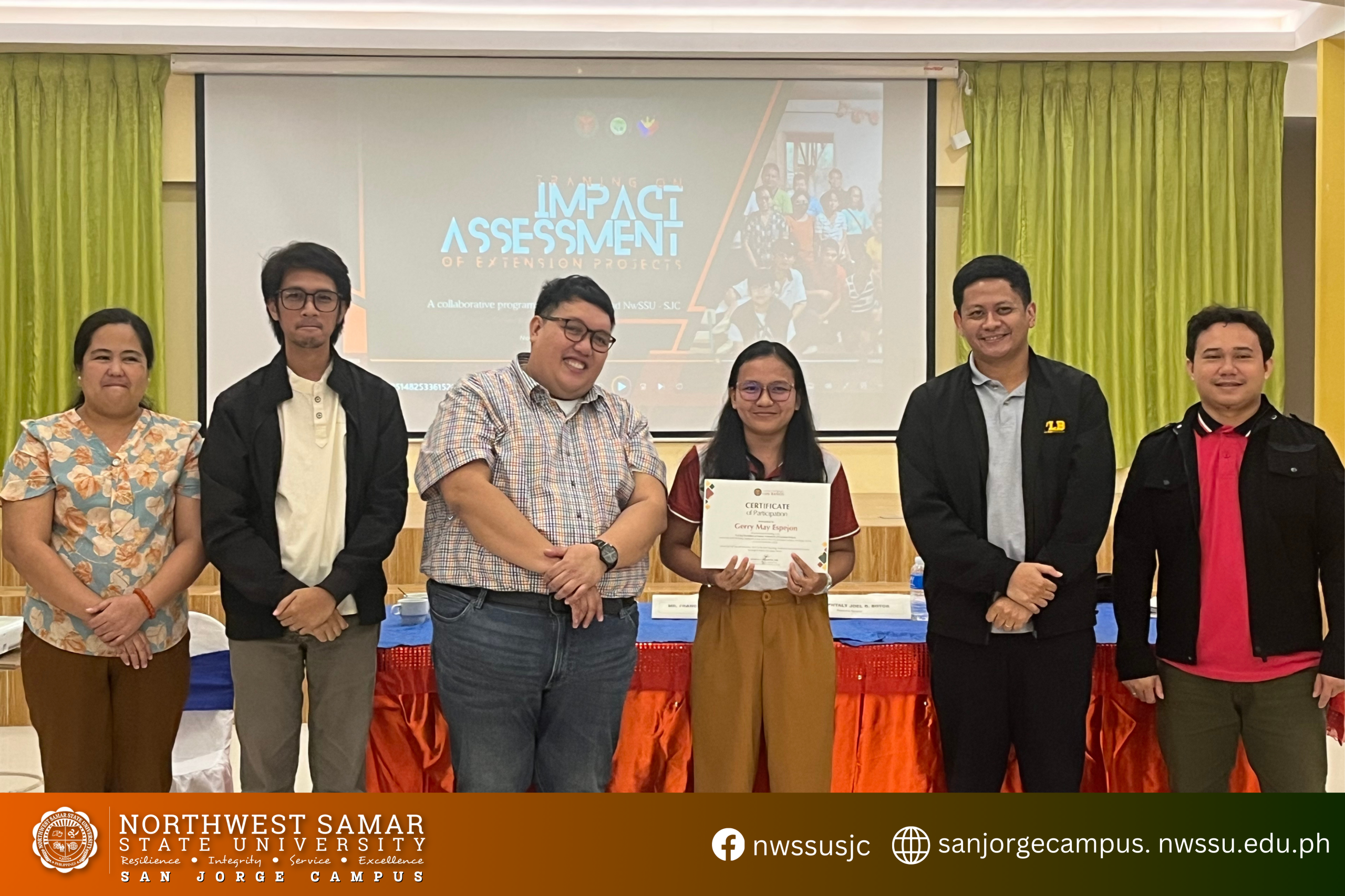
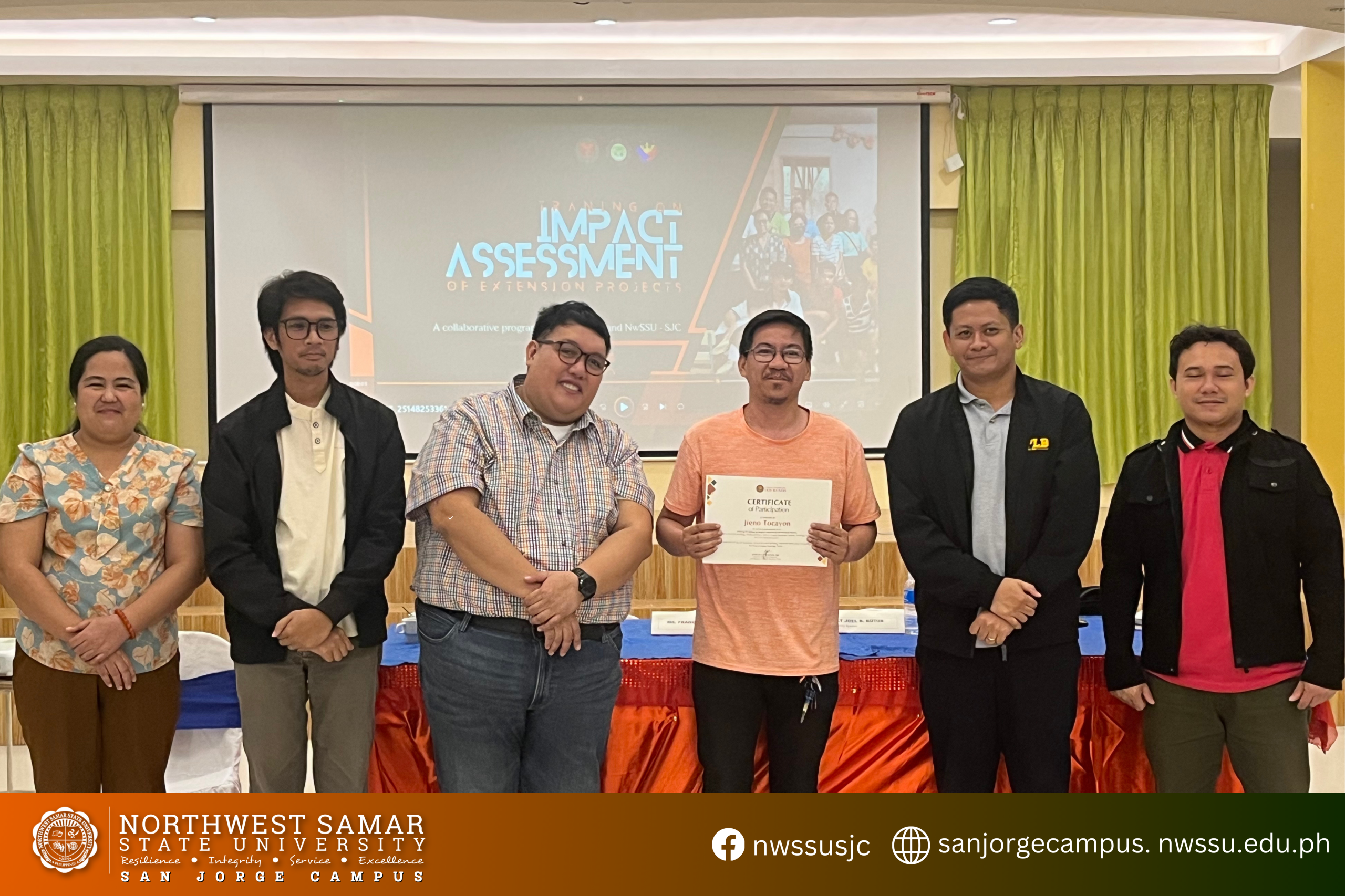
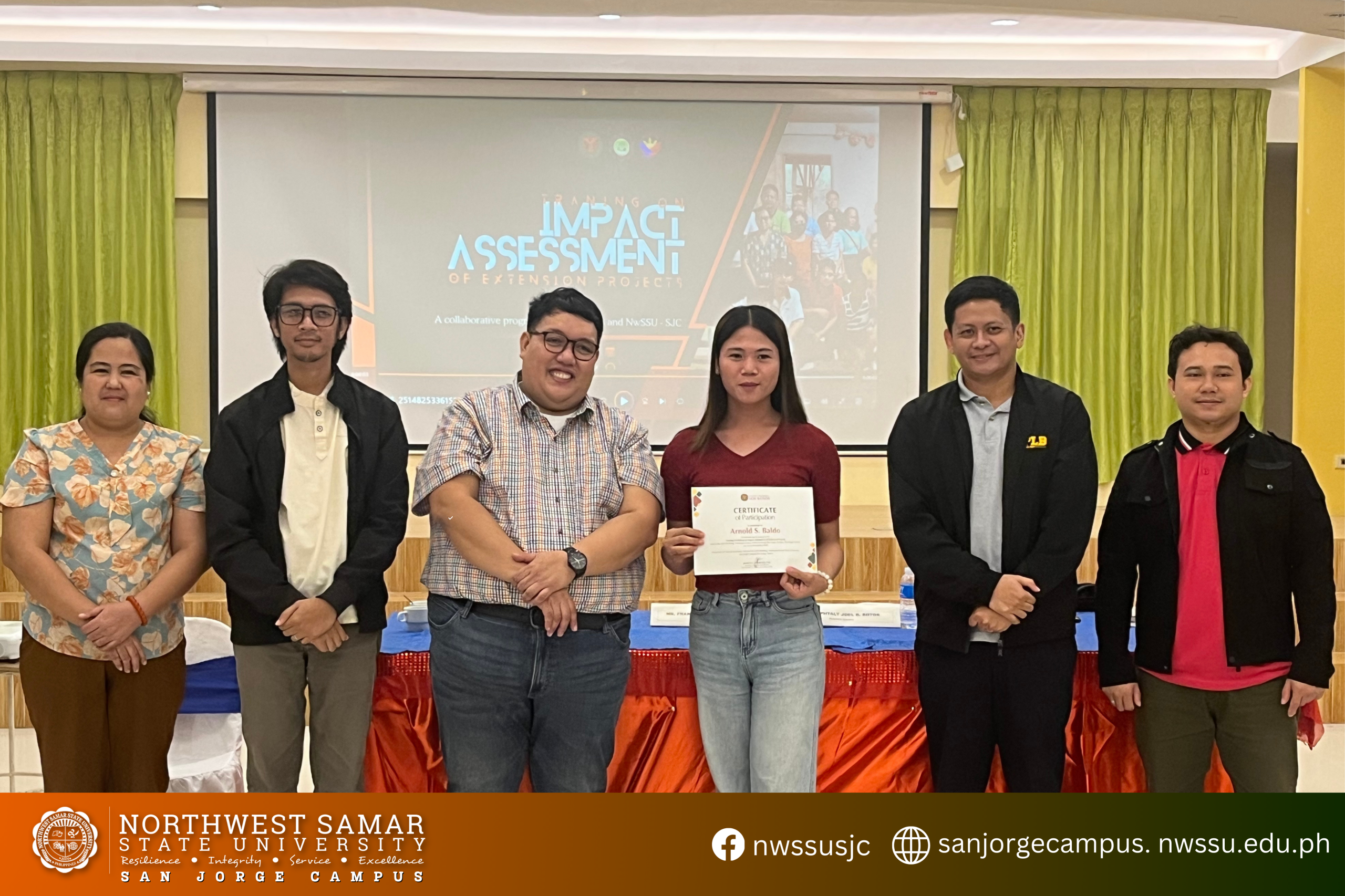
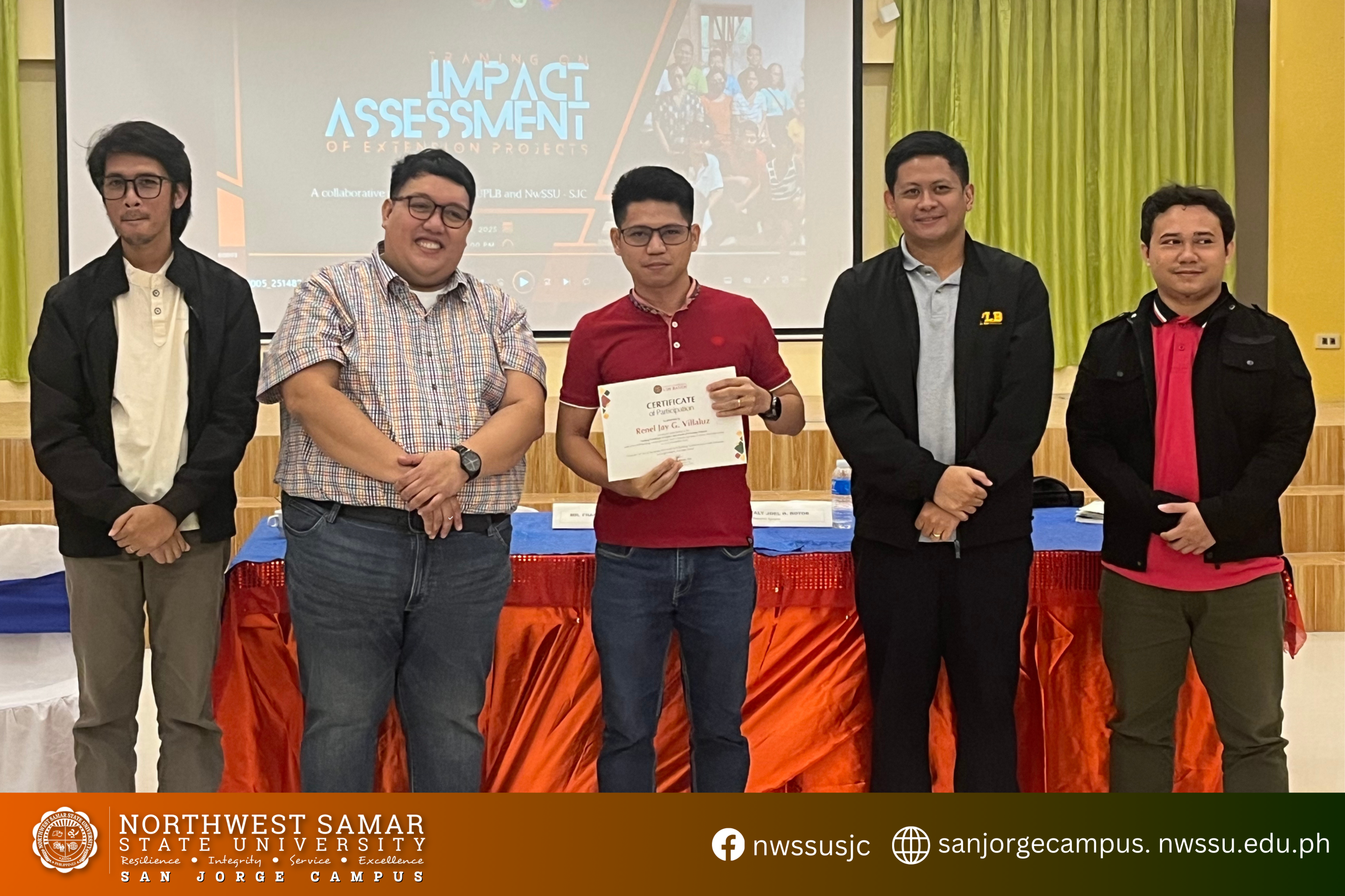
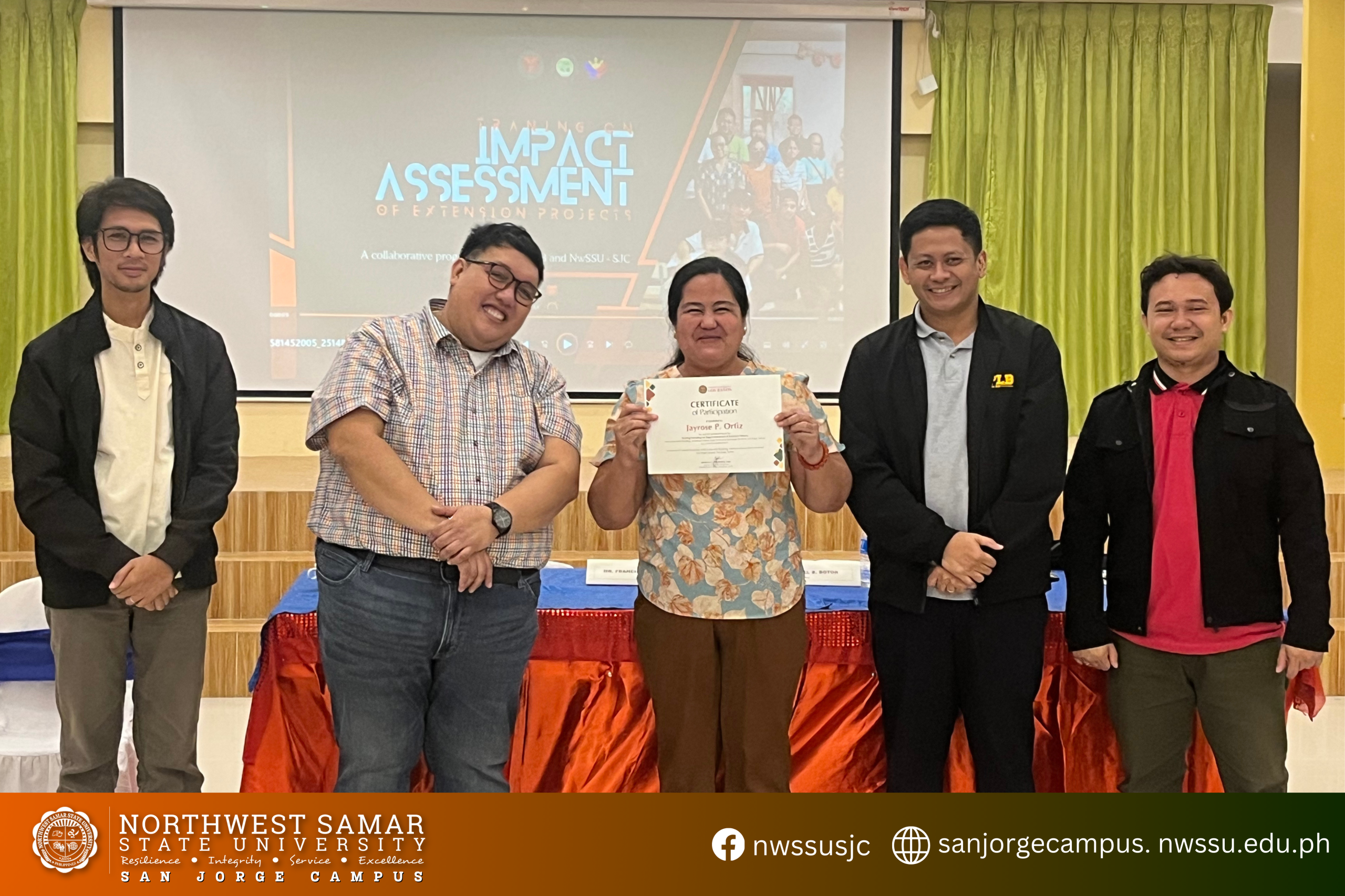
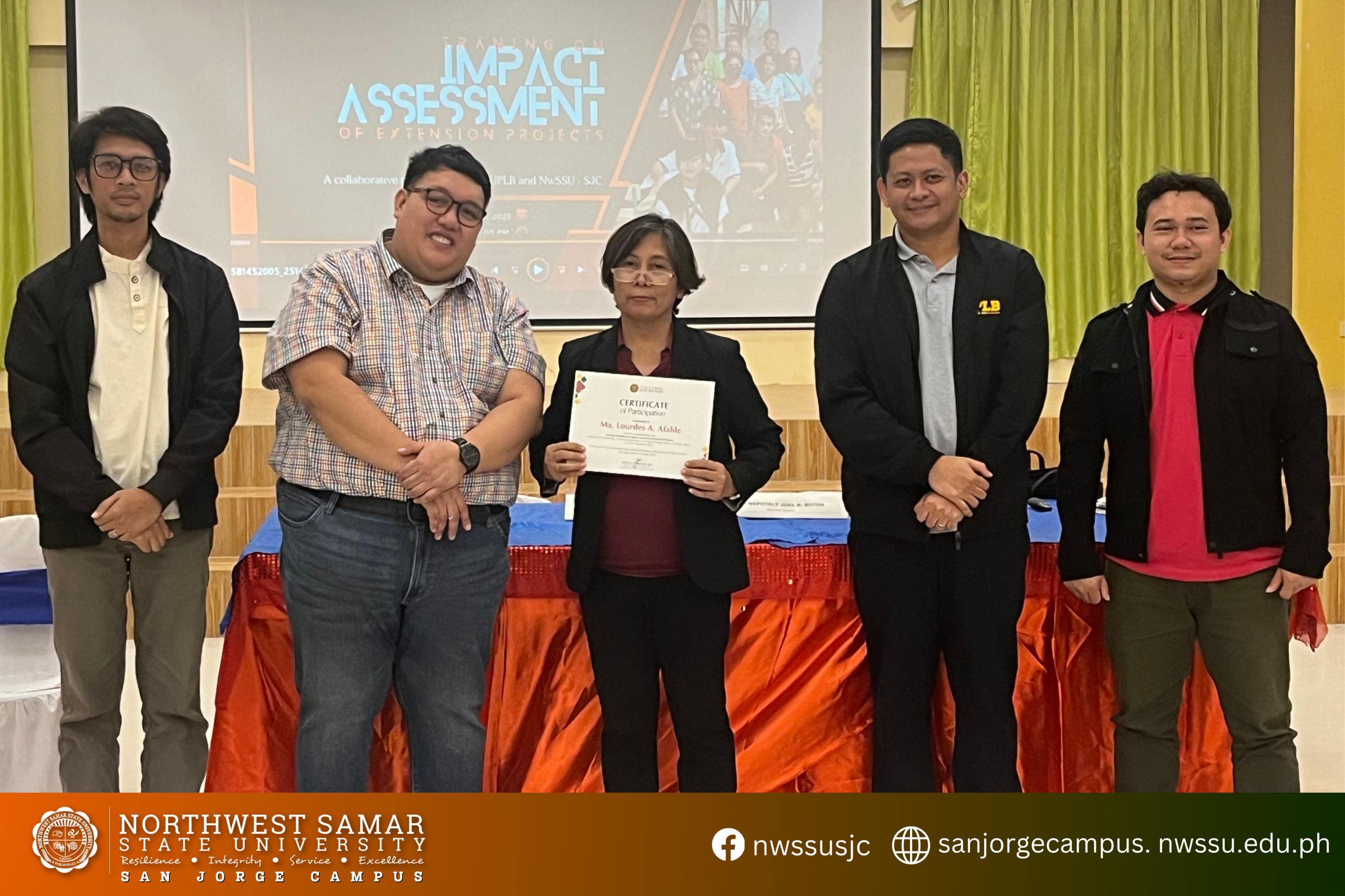
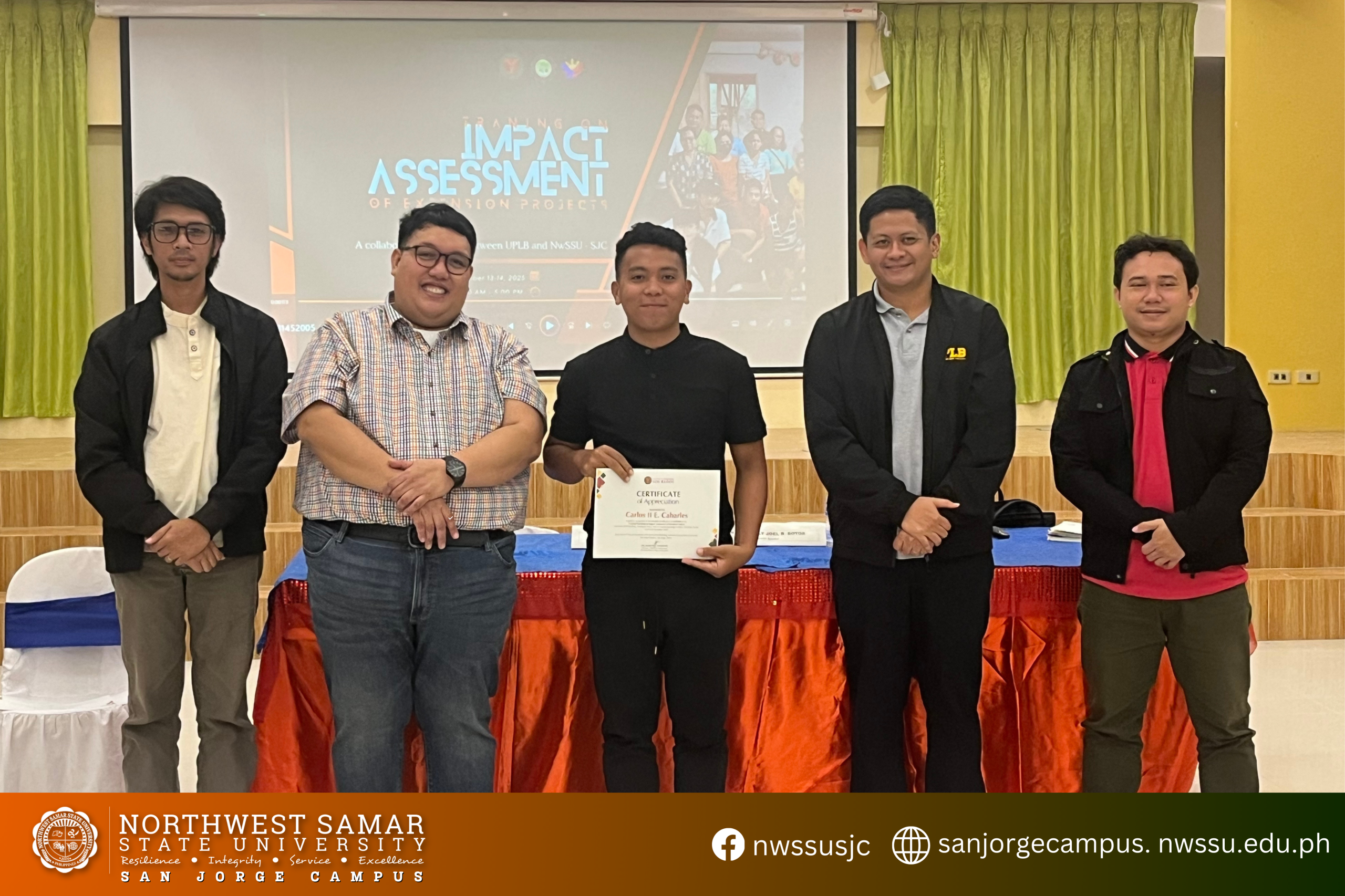
The program concluded with the awarding of certificates and tokens to both the participants and the resource speaker, followed by the closing remarks of Campus Dean Dr. Getulio A. Barcenas Jr.
The two-day training wrapped up with participants gaining sharper tools and clearer methods for evaluating the real impact of extension work. The sessions strengthened their capacity to design projects that directly respond to community needs, reaffirming the university’s push for evidence-based and community-focused initiatives.